
.png)
Termites are widely known as one of the most destructive pests for buildings and wooden structures. But many people wonder if termites pose a danger to humans as well. The good news - termites don’t harm humans directly.. However, their presence can still lead to health risks and of course, serious property damage.
In this article, we’ll explore the dangers termites can pose, the risks they create, and how you can protect your home.
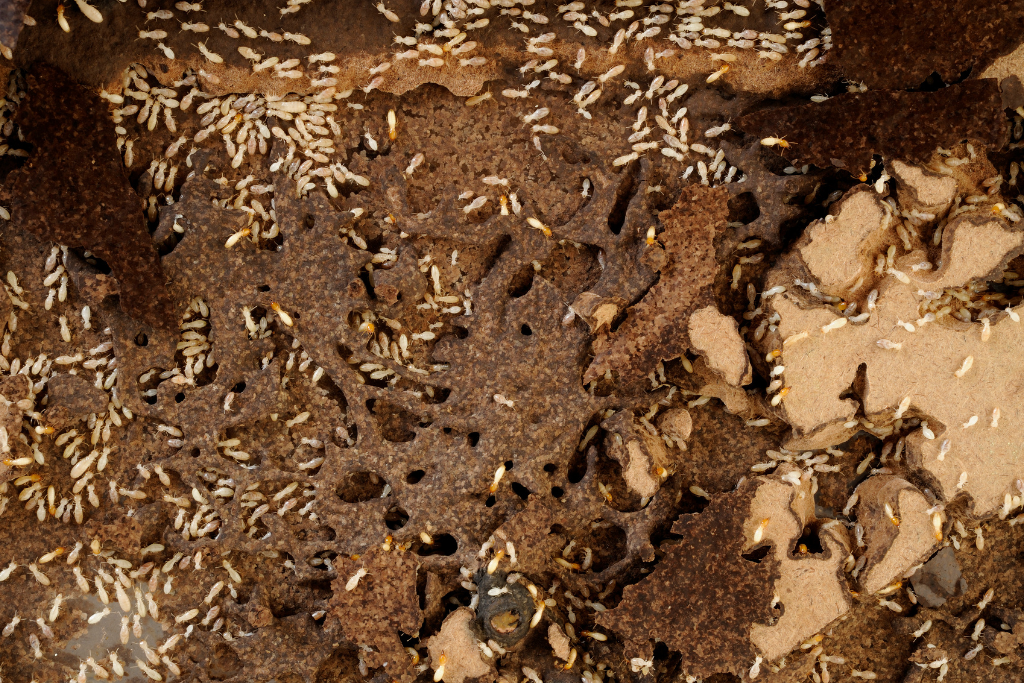
What Termites Are and How They Behave
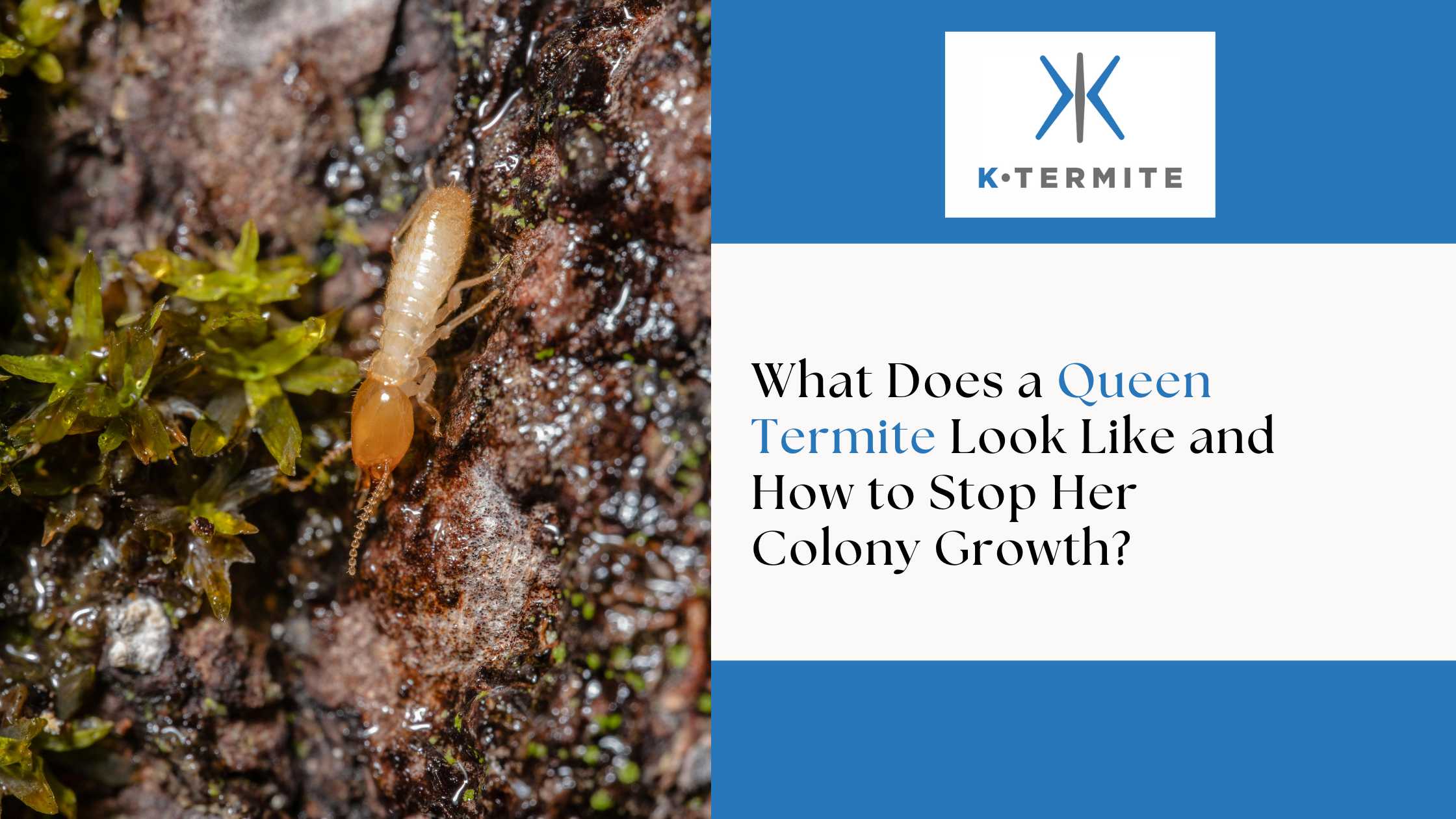
Termites are social insects that live in large colonies and survive by feeding on cellulose, a material found in wood, paper, and plant fibers. In nature, they can play a beneficial role by breaking down fallen trees and organic matter. Problems arise when they begin feeding on residential structures.
The most common termite types affecting homes include:
- Subterranean termites, which live in soil and enter structures through foundations
- Drywood termites, which fly in & nest inside wood such as rafters, fascia, roof sheathing, beams, framing, and furniture
- Dampwood termites, which are attracted to moisture-damaged or decaying wood
Regardless of the species, termites are not interested in humans. Their focus is on wood, not people.
Do Termites Bite or Sting Humans?
Thankfully, not at all. Technically, some termites can bite, but only soldier termites have mandibles strong enough to bite a human, and only with direct contact. But these bites are extremely minor, rarely break the skin, and don’t have any adverse allergic reactions, unlike many other pests. And because termites are burrowed into the wood, in practicality, there is no danger whatsoever.
There’s no sting, no venom, or aggressive behavior.
Do Termites Spread Illness or Disease?
Fortunately, termites are not known to spread illnesses to humans. They do not carry bacteria that can infect people, they do not bite to transmit pathogens, and they do not contaminate food sources.
From a health perspective, termites pose far less risk than other household intruders, making them primarily a structural concern rather than a medical one.
Structural Damage and Safety Concerns
Termites consume wood from the inside out, leaving the surface intact while hollowing out the interior. And hardly ever show significant signs. Over time, this weakens essential structural components such as:
- Floor joists
- Wall framing
- Support beams
- Roof structures
- Decks and staircases
As damage progresses, homeowners may experience:
- Sagging or uneven floors
- Cracks in walls or ceilings
- Doors and windows that no longer close properly
- Loose railings or weakened stairs
In severe cases, structural failure can occur, increasing the risk of accidents and injuries. Typically on decks and balconies.
Moisture Issues and Mold Development
Subterranean termites introduce moisture into wood through contact with the soil, while damaged areas may trap humidity. Slab foundations also trap moisture underneath that is hard to evaporate, hard to see, and hard to prevent. This environment can also encourage mold growth.
Mold can contribute to:
- Respiratory discomfort
- Allergic reactions
- Worsening asthma symptoms
- Persistent indoor odors
While termites don’t cause these health issues directly, the conditions they create can impact indoor air quality.
Allergic Reactions and Irritation
Some individuals may experience mild reactions to materials associated with termite activity, such as:
- Termite droppings (frass)
- Shed wings
- Dust from damaged wood
These reactions are uncommon but may include sneezing, watery eyes, or skin irritation, especially in sensitive individuals.
Learn: What Does Termite Damage Look Like? Signs Every Homeowner Should Know
Are Termites Dangerous to Children or Pets?
Termites pose no direct threat to children or animals, as they do not bite, sting, or seek out human or pet contact. They do not infest bedding, toys, or living areas, and their presence is generally unnoticed.
However, indirect risks still apply:
- Weakened flooring can lead to falls
- Balconies and decks can be compromised
- Damaged furniture or railings can collapse
- Mold linked to moisture damage can affect both humans and animals
The danger comes from the damage termites cause, not from contact with the insects themselves.
Get to know: Which Termite Treatments Are Safe for Kids and Pets in Southern California?
Financial Risks of Ignoring Termites
- Termite-related repairs cost homeowners billions of dollars each year
- Most insurance policies do not cover termite damage
- Repairs can involve structural repairs, reinforcement, or replacement.
- Flooring fixes are expensive and labor/material-intensive.
Left untreated, termites can significantly reduce property value and complicate home sales. In many cases, homeowners don’t discover the problem until extensive repairs are required.
Related Articles:
Is My Home at Risk for Termites in Southern California?
How do termites enter my home?
How Long Do Termites Live? Complete Guide

How K Termite Protects Homes from Hidden Structural Risks
Termites don’t attack people, but they quietly attack what keeps people safe, the structure of the home itself. At K Termite, our goal is to protect homes, families, and long-term safety through thorough inspections and proven solutions.
With over 25 years of hands-on experience, our team focuses on identifying termite activity early, before it compromises structural integrity. We offer free termite inspections, multiple treatment options tailored to your home’s construction, and in-house carpentry repairs when wood damage is present.
By addressing termite activity promptly and professionally, K Termite helps reduce indirect risks such as structural hazards, indoor air quality issues, and ongoing stress for homeowners. Our strong warranties and termite protection policy provide peace of mind long after service is complete.
Let K Termite help you safeguard your home before hidden damage becomes a costly problem. Contact us today for a free inspection.

.png)
.png)
.png)
.png)
.png)
.png)
.png)
.png)
.png)
.png)
.png)
.png)
.png)
.png)
.png)
.png)
.png)
.png)
.png)
.png)
.png)
.png)
.png)
.png)
.png)
.png)
.png)
.png)
.png)
.png)
.png)
.png)







.png)
.png)
.png)
.png)
.png)
.png)
.png)
.png)

.png)
.png)






.png)
.png)

.png)
.jpg)

.webp)
.webp)


.webp)

.svg)

