
.png)
As a homeowner, you may hope a termite problem will disappear on its own. Maybe the swarmers are gone. The wood looks ok (on the outside). There doesn’t seem to be any new signs. When things go quiet, it can feel like the problem is over.
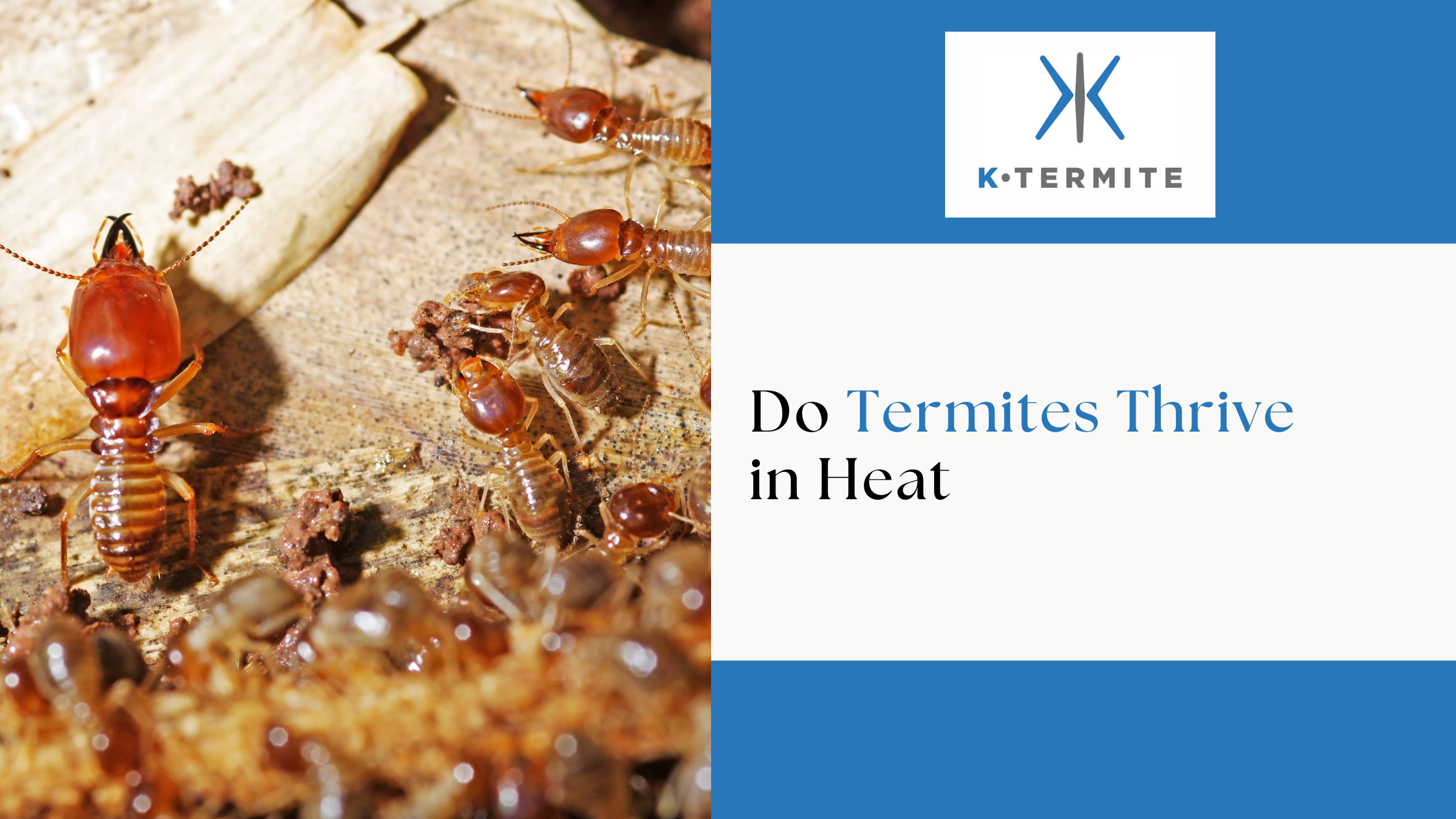
But that quiet feeling can be misleading. Termites don’t just leave. In Southern California, the climate is perfect for their survival. They thrive for long periods without showing obvious signs - most of the damage is hidden and unseen. When termites seem “gone,” they are still inside the home, feeding slowly and quietly.
Understanding how termites live, why they remain, and what actually stops them is crucial for protecting homes throughout Los Angeles County.
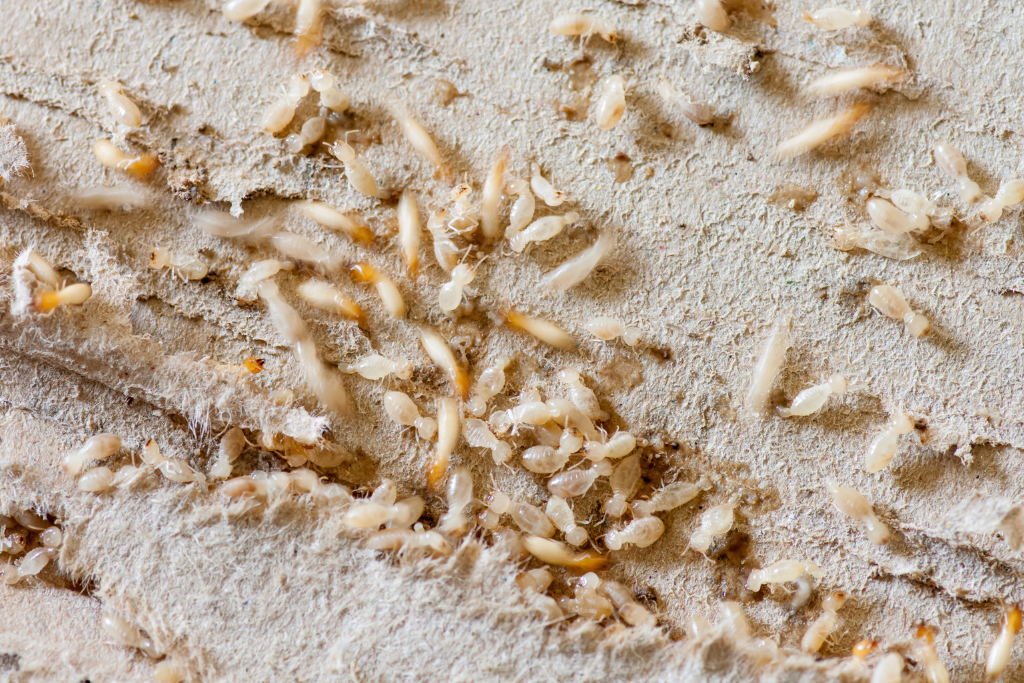
Understanding Termites and Their Behavior
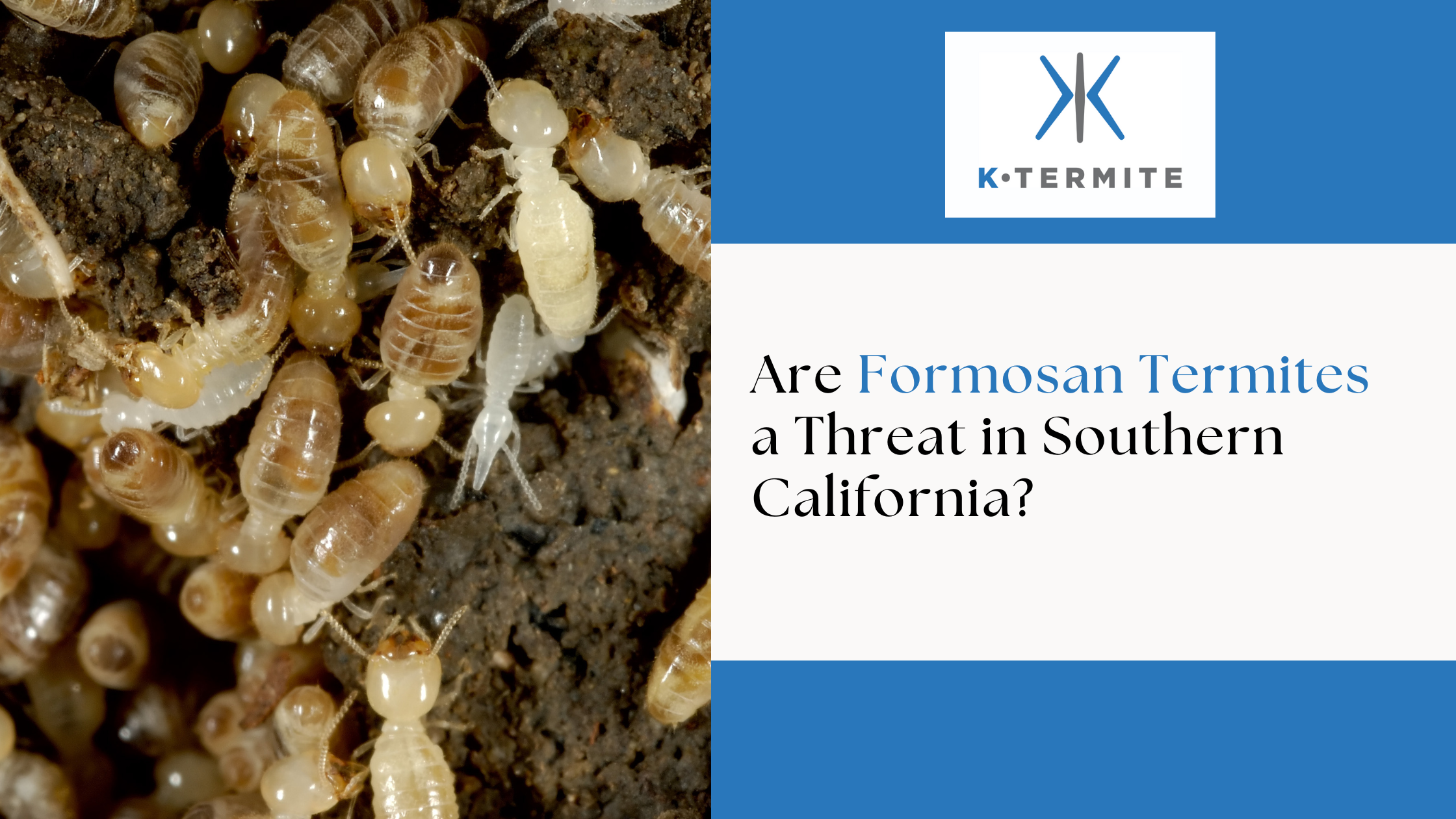
Types of Termites Common in Los Angeles
- Subterranean termites – live in the soil and build mud tubes to reach wood.
- Drywood termites – fly in to invade wood and don’t require contact with soil.
Both cause severe structural damage if left unchecked.
Subterranean termites are the most destructive in the region because they form large colonies and consume wood 4x as quickly. Drywood termites are smaller but establish colonies directly within wooden structures like your home.
Get to know: Subterranean Termites vs Drywood Termites: Which Is More Dangerous?
Why Termites Don’t Just Leave
Homeowners often wonder, can termites go away on their own if conditions change? The answer is no. Termites do not abandon structures the way other insects might.
Their survival depends on colony stability, not convenience.
- Colony-driven behavior: Workers exist solely to feed the colony
- Continuous feeding: Wood is consumed and shared among colony members
- Colony expansion: Healthy colonies grow and create satellite nests
There is no seasonal migration and no natural point where termites decide to leave. Termites will not leave on their own simply because activity becomes less visible.
One termite fuels thousands—learn how identifying the queen stops colony growth.
Signs Termites Are Still Present
Termites can remain hidden for years, especially in structures with ample wood. Signs they are still active include:
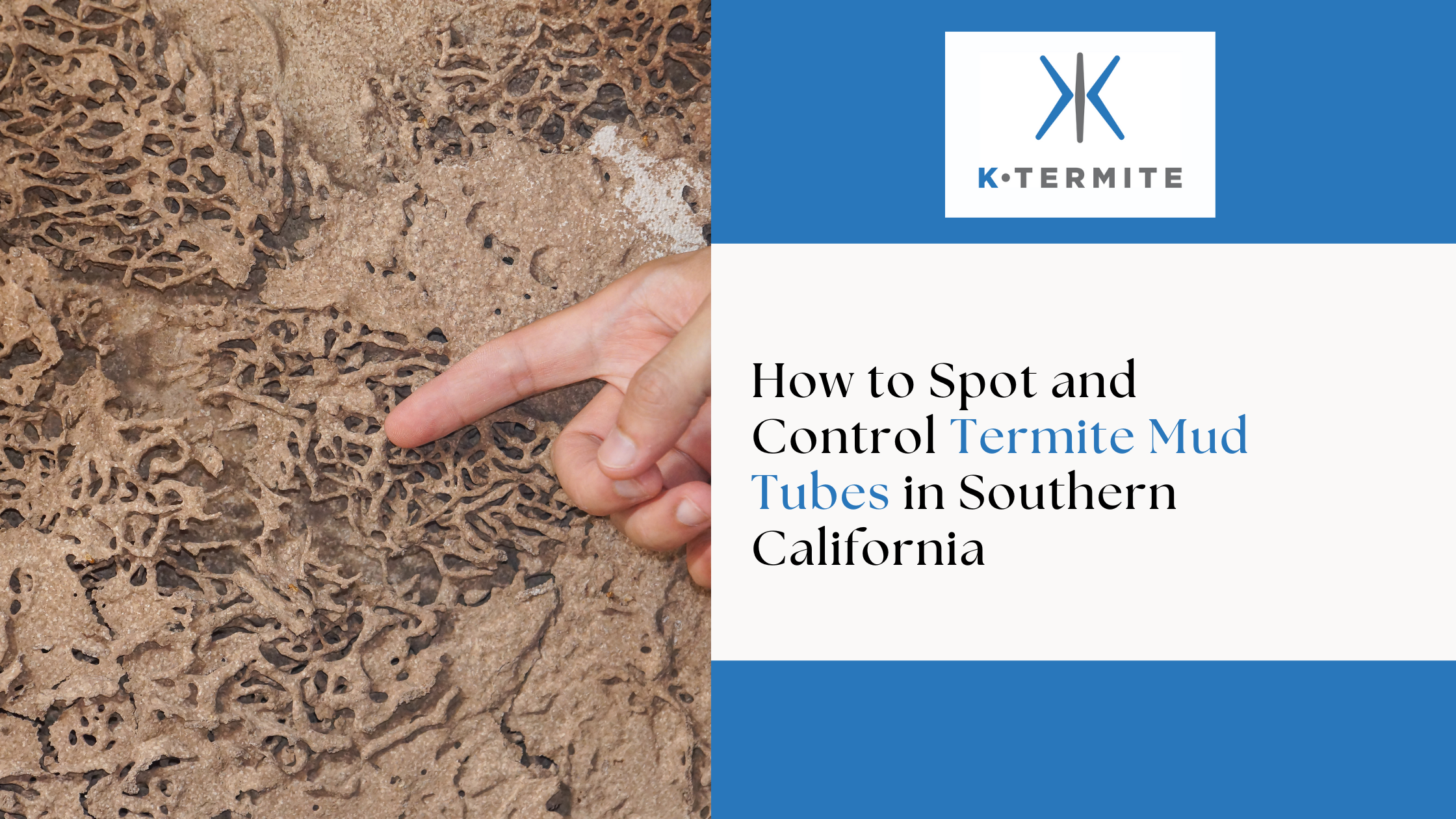
1. Mud Tubes
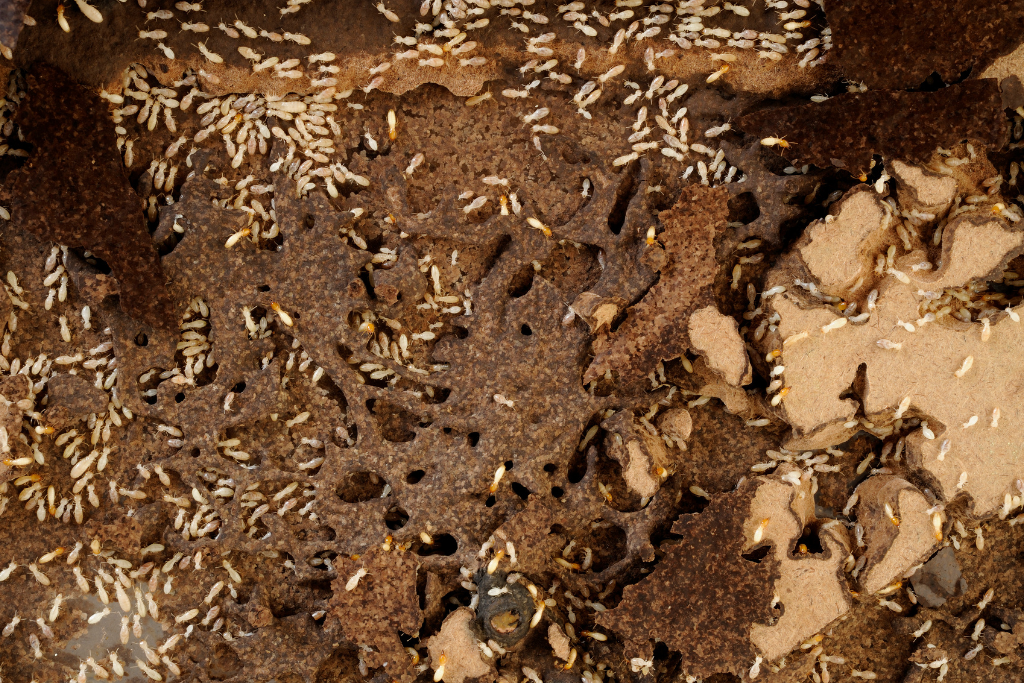
Subterranean termites build mud tubes along foundation walls, piers, and in crawlspaces. These tubes protect termites from dry air and predators as they travel between soil and wood.
2. Hollow-Sounding Wood
Tap on wood suspected of infestation. Termite-damaged wood sounds hollow because termites eat from the inside out.
3. Discarded Wings
Swarming termites shed wings near windowsills, doors, or lighted areas. These cast wings can be a key indicator of an active colony nearby.
4. Frass (Drywood Termite Droppings)
Drywood termites push tiny wood fecal pellets out of exit holes. These pellets resemble sawdust or coffee grounds.
5. Buckling or Sagging Wood
Termite damage can weaken structural components, causing floors, ceilings, or walls to warp, sag, or crack.
These signs don’t diminish on their own. Termites won’t stop feeding, and the damage continues.
What Happens If Termites Are Ignored?
When termites are ignored, the colony continues feeding and expanding. Workers consume wood continuously, hollowing it out from the inside, while often leaving the outer surfaces looking intact. This makes damage difficult to notice until it becomes severe.
Over time, affected areas may show chipped or cracked wood, small pinholes with sand-looking pellets, sagging floors, weakened beams, or doors that no longer close properly. In older homes, especially those built with extensive wood framing, the risk of structural compromise increases significantly when termite activity continues unchecked.
Waiting costs more—here’s why delaying action makes termite damage worse.
Do Termites Go Away on Their Own Naturally?
Termites may abandon an area only when conditions become unsuitable. This could happen if the wood source is completely exhausted, moisture levels change dramatically, or the colony is physically disrupted. Even in these cases, they do not simply disappear—they relocate nearby.
In residential neighborhoods, relocation means penetrating deeper into the structure and spreading to adjacent wooden areas. Termites constantly expand to surrounding areas, including to & from your neighbors and nature itself. Untreated infestations become a broader community issues.
Related Articles:
How Often Should I Get a Termite Inspection for My Home?
Does Weather Affect Termite Activity?
What Makes K Termite Different From Other Companies
What Actually Makes Termites Go Away
Termites only disappear when their access to food, moisture, or entry points is eliminated - pretty much never. Or when targeted termite control is implemented by a professional termite company.
1. Removing Conditions That Attract Termites
Termites like moisture and wood in contact with soil. Reducing conducive conditions helps prevent infestations:
- Fix leaks
- Eliminate wood-to-soil contact
- Improve drainage
- Ventilate crawlspaces & attics
- Seal all exposed wood
These steps reduce the likelihood of termites but do not eradicate an active colony.
2. Professional Termite Control
Professional intervention is the most reliable way to eliminate termites. Treatments may include:
- Soil treatments
- Localized/direct treatments
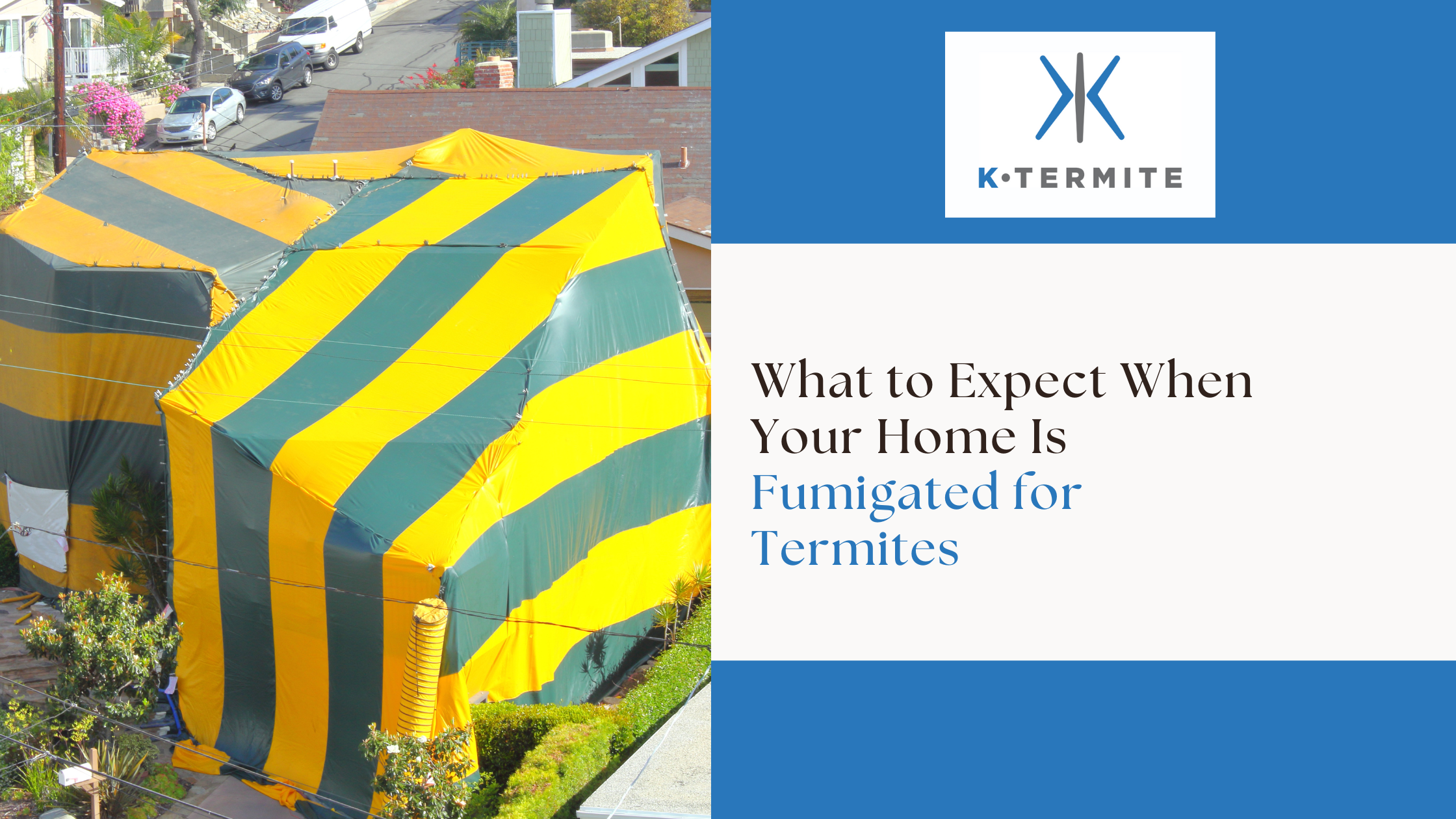
- Fumigation (for extensive drywood infestations and 100% peace of mind)
- Ongoing yearly maintenance
Each method targets termites differently. A treatment chosen without inspection might not reach the colony or stop termite activity.
3. Monitoring and Ongoing Protection
Periodic inspections, and treatments help catch infestations early and reduce damage.
What Homeowners Should Do First
If you suspect termites, take these steps:
1. Inspect Regularly: Check crawlspaces, wooden structures, and basement areas at least twice a year. Or call a professional.
2. Look for Signs Early: Don’t wait for major structural issues. Many homeowners regret ignoring small signs until damage is advanced.
3. Call a Professional Without Delay: Termites do not disappear on their own. Waiting allows colonies to grow bigger, stronger, and costlier.
4. Get a Clear Treatment Plan: Ask for detailed explanations of the infestation, treatment options, costs, and warranties.
Why Homeowners Trust K Termite
As a family-owned company with over 25 years of experience, K Termite understands how termites behave in Southern California. Our approach goes beyond surface-level treatment.
Homeowners choose K Termite for several reasons:
- Free termite inspections with clear, easy-to-read reports
- Multiple treatment options tailored to the structure, not a one-size plan
- In-house repair team, eliminating the need for outside contractors
- Comprehensive warranties designed for long-term peace of mind
- A Termite Protection Policy focused on prevention, not just response
By combining inspection, treatment, and repair under one roof, K Termite helps homeowners resolve termite issues properly the first time.
Termites do not go away on their own—especially in Los Angeles. Mild weather, abundant wood, and consistent moisture allow colonies to remain active year after year. What may look like a quiet period is often continued damage happening out of sight.
Early inspection and professional guidance are the most effective ways to protect your home, limit repairs, and avoid unnecessary stress. When it comes to termites, waiting rarely works—but acting early does.

.png)
.png)
.png)
.png)
.png)
.png)
.png)
.png)
.png)
.png)
.png)
.png)
.png)
.png)
.png)
.png)
.png)
.png)
.png)
.png)
.png)
.png)
.png)
.png)
.png)
.png)
.png)
.png)
.png)
.png)
.png)
.png)







.png)
.png)
.png)
.png)
.png)
.png)
.png)
.png)


.png)
.png)







.png)
.png)

.png)
.jpg)

.webp)
.webp)



.webp)

.svg)

