
.png)
Imagine this: a quiet home in Irvine, a neatly watered garden, and everything looks perfect from the outside. But beneath the surface, excess moisture may be creating the perfect environment for termites to thrive. Termites don’t just appear out of nowhere, they are attracted to moisture. In fact, moisture retention is one of the biggest factors that help termite colonies survive, grow, and cause serious damage to homes.
Irvine’s climate, landscaping styles, and modern construction methods can unintentionally trap moisture around buildings. When moisture lingers, termites see it as an open invitation.
In this article, we’ll explore how moisture retention affects termite colonies in Irvine, where moisture commonly accumulates, and why controlling it is one of the most effective long-term strategies for termite prevention and treatment.
Why Moisture Is Essential for Termite Survival
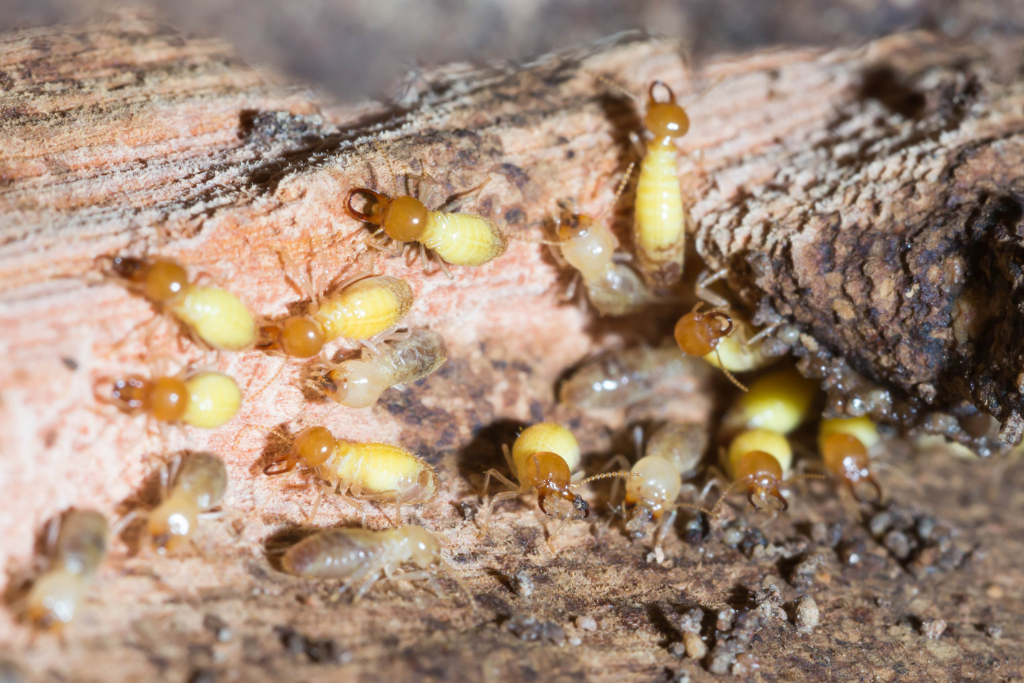
Termites rely on moisture to regulate their bodies, digest wood, and maintain colony stability. Without consistent access to moisture, most termite species cannot survive for extended periods.
Subterranean termites, which are common in Irvine, require constant contact with damp soil. Drywood termites do not need soil contact but still depend on humidity within wood to survive. When moisture levels rise inside walls, attics, crawl spaces, or structural framing, termite colonies gain a stable environment that allows them to expand quietly.
Moisture does not create termites, but it significantly increases the chance that colonies will establish and remain active.
Irvine’s Climate Creates Long-Lasting Moisture Conditions
Irvine’s climate contributes to moisture retention in several ways. Morning marine layers, mild coastal air, and seasonal rainfall create periodic humidity that lingers longer in shaded or enclosed areas. Many homes also feature dense landscaping, artificial turf, and automatic irrigation systems that keep soil damp year-round.
In planned communities, homes are often built close together, reducing airflow around foundations. This combination of factors allows moisture to remain trapped near structures, increasing the risk of termite activity.
Areas most affected include:
- Soil along foundations
- Wood framing near irrigation zones
- Attics with poor ventilation
- Bathrooms, kitchens, and laundry rooms
- Garages with slab moisture intrusion
Moisture Retention Creates Ideal Conditions for Termite Colonies
Termites depend on moisture for survival. Their bodies lose water quickly, and dry environments weaken colonies. When moisture is consistently present, colonies remain stable and productive.
Retained moisture provides:
- Hydration for termites
- Protection from dry air
- Improved feeding conditions
- Safer travel pathways
When moisture levels stay consistent, colonies do not need to relocate. Instead, they continue feeding and expanding within the same structure, increasing the risk of long-term damage.
Termite damage isn’t just cosmetic - find out what repairs involve, how inspections work, and what it truly costs.
Moisture Softens Wood Fibers That Increase Feeding Activity
Wood exposed to moisture becomes easier for termites to consume. Damp wood fibers break down more easily, allowing termites to feed faster and with less resistance.
In Irvine, moisture exposure often occurs near:
- Bathrooms and kitchens
- Laundry rooms
- Water heaters
- Window frames
- Roof penetration points
Once wood absorbs moisture, it becomes a reliable food source. Termites will continue feeding in these areas as long as moisture remains present, often spreading into nearby framing and support beams.
Moisture Retention in Soil Supports Subterranean Colonies
Subterranean termites rely heavily on moist soil. Retained moisture beneath foundations and around exterior walls allows these termites to build extensive tunnel systems without interruption.
Common causes of soil moisture retention include:
- Overwatering lawns and plants
- Poor drainage around foundations
- Clogged or damaged gutters
- Soil sloping toward the structure
Moist soil removes natural barriers that dry ground would normally provide. Once termites establish stable underground access, they can enter wall voids, crawl spaces, and slabs without detection.
Moisture Encourages Fungal Growth That Attracts Termites
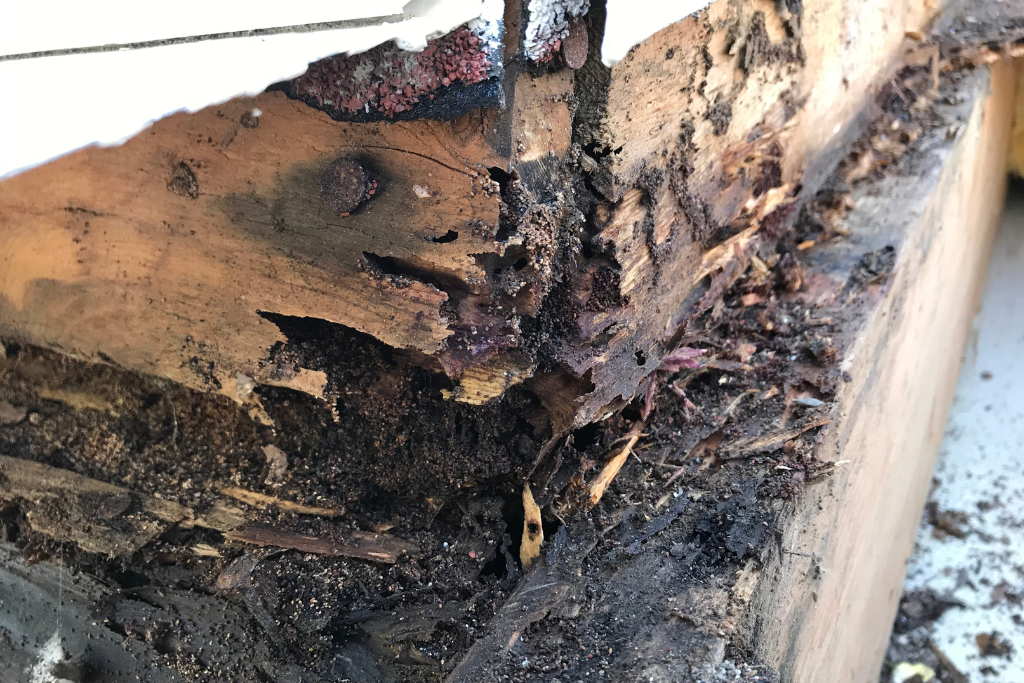
Moisture retention often leads to fungal growth within wood and building materials. Fungi break down wood fibers, making them easier for termites to digest.
Fungal growth signals to termites that a structure provides favorable feeding conditions. Areas affected by moisture and fungi often experience increased termite activity compared to dry, well-ventilated sections of the home.
This relationship between moisture, fungi, and termites accelerates structural damage when left unaddressed.
Trapped Moisture Inside Walls Allows Hidden Colony Expansion
Moisture inside wall cavities is especially dangerous because it remains hidden. Plumbing leaks, condensation, and roof seepage can trap moisture behind drywall for months or even years.
These concealed damp areas allow termites to:
- Feed without disturbance
- Spread across wall studs
- Move between floors
- Avoid detection during visual checks
By the time surface damage becomes visible, colonies may already be well-established throughout the structure.
Silent invaders in your home? Learn how drywood termites survive hidden in wood.
Landscaping Moisture Near Foundations Provides Protected Entry Points
Landscaping choices play a major role in moisture retention around homes. Mulch, dense plants, and raised soil beds trap moisture against exterior walls and foundations.
Risky landscaping practices include:
- Mulch piled against the siding
- Planters touching walls
- Sprinklers aimed toward the structure
- Soil covering slab edges
These conditions create shaded, damp zones that allow termites to move freely from soil into the structure. Moisture retained by landscaping materials also prevents soil from drying naturally.
Crawl Spaces Trap Moisture That Sustains Long-Term Activity
Crawl spaces often retain moisture due to limited airflow and ground vapor. In Irvine, mild temperatures prevent crawl spaces from drying quickly.
Moisture sources in crawl spaces include:
- Ground evaporation
- Plumbing leaks
- Poor ventilation
- Missing vapor barriers
Termites entering crawl spaces benefit from steady humidity and direct access to floor framing. Once established, colonies can spread horizontally through joists and beams, causing extensive damage before detection.
Attic Moisture Supports Vertical Colony Movement
Attics are another area where moisture may collect. Roof leaks, poor ventilation, and bathroom exhaust issues can introduce moisture into attic spaces.
Moist attic framing allows termites to move vertically through the structure. Once in the attic, colonies can spread into roof supports and upper-level walls.
Because attics are rarely inspected closely, moisture-related activity often goes unnoticed until damage becomes severe.
Seasonal Irrigation Maintains Moisture Stability Year-Round
Irrigation patterns in Irvine play a significant role in moisture retention. Regular watering schedules keep the soil damp even during dry seasons.
Unlike natural rainfall that dries quickly, irrigation provides repeated moisture exposure. This consistency supports uninterrupted termite activity and reduces seasonal slowdowns.
Homes with heavy or misdirected irrigation often face higher termite risk due to constant soil moisture near foundations.
Related Articles:
How Do I Choose the Right Termite Treatment for My House?
Does Mulch Attract Termites? Signs and Prevention Methods
What Causes Termite Damage in Crawl Space?
Reducing Moisture Retention Limits: Termite Activity
Moisture control is one of the most effective ways to reduce termite risk. While it does not eliminate existing colonies on its own, it removes the conditions that allow them to thrive.
Key moisture reduction steps include:
- Repairing leaks promptly
- Improving drainage away from foundations
- Adjusting irrigation systems
- Increasing ventilation in crawl spaces and attics
- Keeping wood dry and elevated
- Maintaining clearance between the soil and the siding
Dry environments create stress for termite colonies and limit their ability to spread.
How K Termite Provides Professional Termite and Moisture Control in Irvine
At K Termite, we offer termite treatment services in Irvine, with a strong focus on addressing moisture retention issues that support termite colony growth. Our inspections go beyond surface-level signs and closely examine moisture conditions that allow termite activity to continue unnoticed.
Every moisture and termite inspection we perform is designed to identify how moisture is entering, where it is being retained, and how it contributes to current or future termite activity. This approach enables us to recommend effective solutions tailored to the specific conditions of each property.
Our services include:
- Free, detailed inspections
- Multiple treatment options based on structure type and activity level
- Identification of moisture-related risk areas
- In-house carpentry for damaged wood
- Strong warranties and long-term protection policies
By addressing moisture sources alongside termite treatment, we help reduce repeat activity and protect the structural integrity of homes in Irvine over the long term.
Moisture retention is one of the most influential factors affecting termite colonies in Irvine. From soil conditions and irrigation systems to interior humidity and construction design, moisture creates the foundation that allows colonies to survive and expand.
By identifying and correcting moisture-related issues early, homeowners can reduce ongoing risks and protect their property from long-term structural damage. Regular inspections and moisture control strategies remain essential for maintaining a secure and stable home in Irvine.
Schedule your FREE termite inspection with K Termite and take control before damage spreads.

.png)
.png)
.png)
.png)
.png)
.png)
.png)
.png)
.png)
.png)
.png)
.png)
.png)
.png)
.png)
.png)
.png)
.png)
.png)
.png)
.png)
.png)
.png)
.png)
.png)
.png)
.png)
.png)
.png)
.png)
.png)
.png)








.png)
.png)
.png)
.png)
.png)
.png)
.png)
.png)


.png)
.png)







.png)
.png)

.png)
.jpg)

.webp)
.webp)



.webp)


.svg)

