
.png)
Subterranean termites quietly damage wooden structures, often without any warning signs. To prevent this, homeowners can rely on two different types of chemical treatments: repellent treatments, creating a barrier that termites avoid, and non-repellent treatments, which target the entire colony. But which option provides better protection?
Understanding how each treatment works, along with its pros, is essential for making the right decision. This article breaks down the differences, helping homeowners choose the most effective termite protection for their property.
How Termite Treatments Work
Termite treatments are designed to create a barrier between termites and the wooden structures in your home. These treatments are typically applied to the soil around your foundation, pier points (if you have a raised foundation, or directly to infested wood. The main goal? To stop termites from feeding and spreading.
Termite repellent and non-repellent treatments differ in how termites interact with the main active ingredient. While both methods are effective when applied correctly, their mechanisms are very different.
What Is Repellent Termite Treatment?
Repellent termite treatments create a chemical barrier that termites detect and then avoid. When termites sense the treated zone, they turn away and attempt to find another path into the structure.
How Repellent Treatments Work
- The treatment is applied to soil or foundation areas
- Termites sense the chemical before contact
- They avoid treated zones and reroute their tunnels
- The barrier works only if it remains continuous and intact
This type of treatment depends heavily on proper application. Even small gaps in coverage can allow termites to bypass the treated area.
Advantages of Repellent Termite Treatment
Repellent treatments have been used for decades and still offer certain benefits in specific situations.
- Immediate Protection: Once applied correctly, repellent treatments begin working right away by blocking termite access points.
- Familiar and Proven Method: These treatments have a long history of use, making them a familiar option for many homeowners.
- Effective When Applied Perfectly: When the soil barrier is complete and undisturbed, repellent treatments can successfully keep termites out.
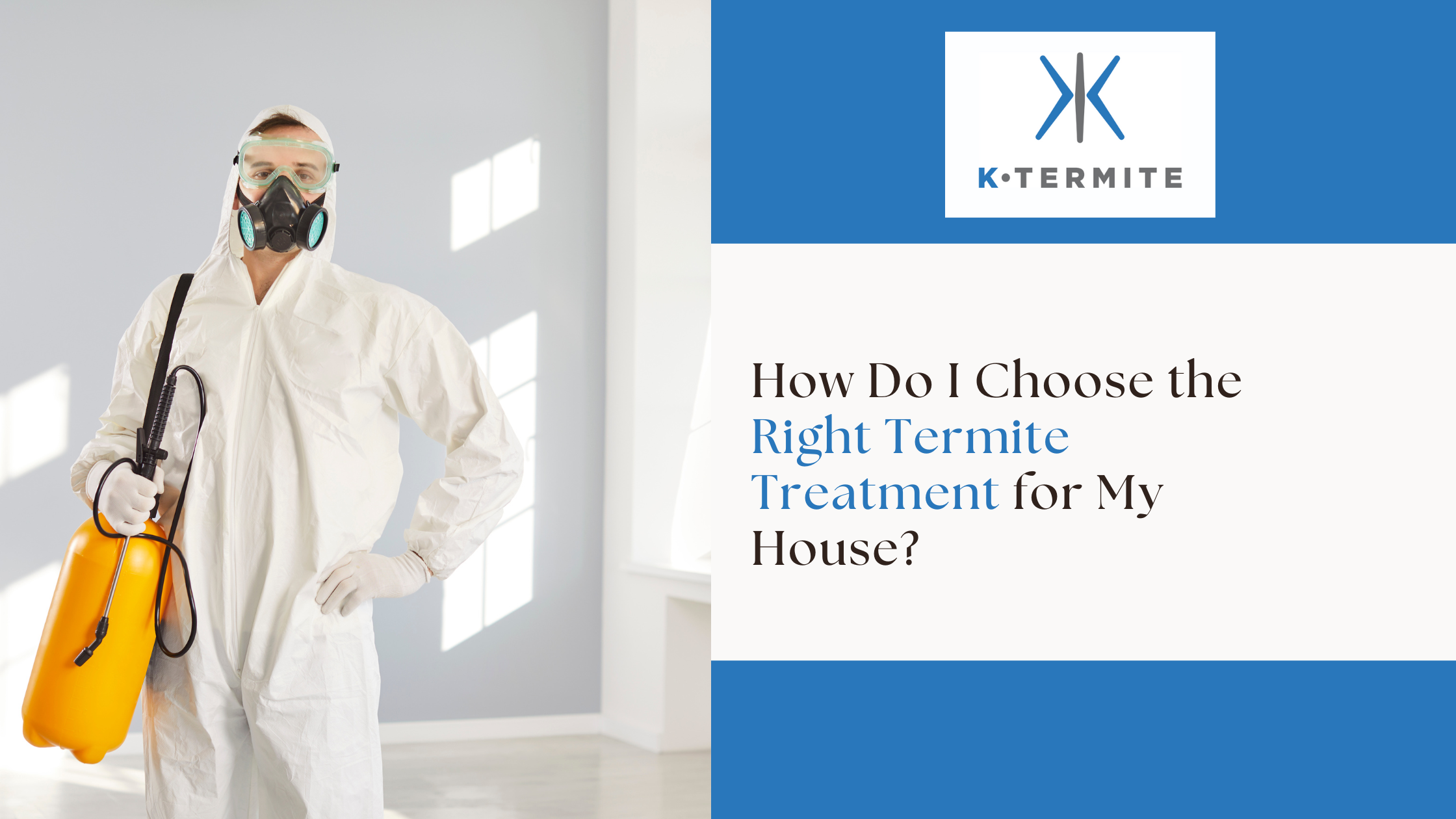
Get to know: How Do I Choose the Right Termite Treatment for My House?
What Is Non-Repellent Termite Treatment?
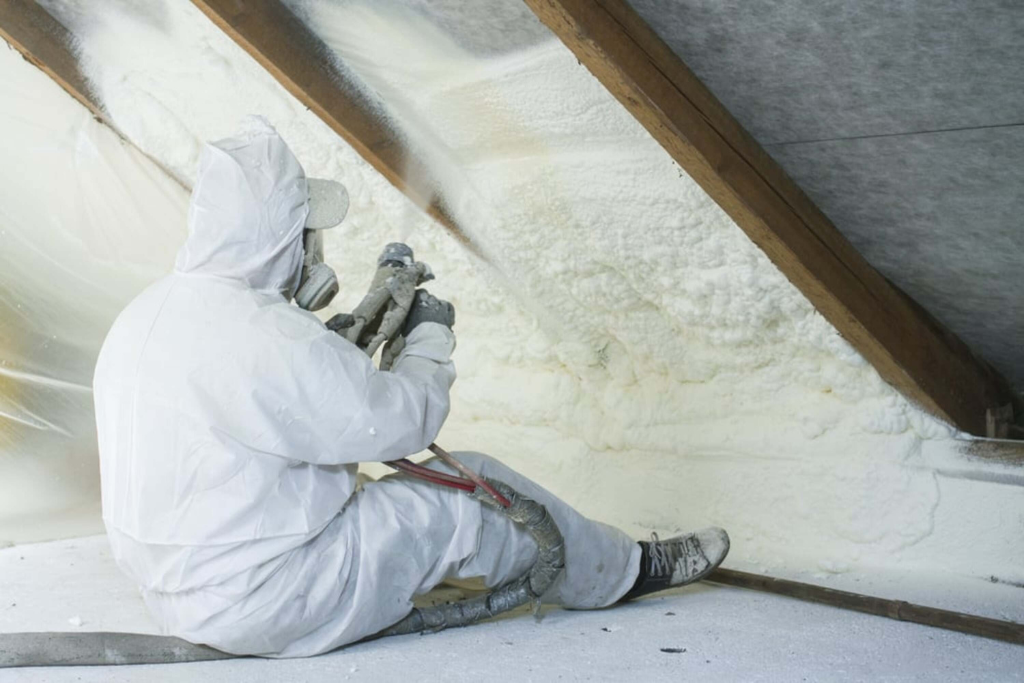
Non-repellent termite treatments are designed to be undetectable to termites. Instead of avoiding the treated area, termites pass through it without realizing they are exposed.
How Non-Repellent Treatments Work
When a non-repellent termiticide is applied to soil or wood, termites move through the treated area without detecting it.
- The product adheres to their bodies
- Termites carry it back to the colony
- The treatment spreads through contact
- The colony gradually declines
This approach focuses on eliminating termite activity at its source, not just blocking access.
Advantages of Non-Repellent Termite Treatment
Modern non-repellent insecticides are widely considered the preferred solution for long-term termite protection.
- Colony-Level Control: Because termites share the treatment, non-repellent options can impact entire colonies, including:
- Workers
- Soldiers
- Reproductive members
- Termite queen and king
This leads to broader and longer-lasting results.
- No Avoidance Behavior: Since termites cannot detect the treatment, they continue normal behavior, increasing exposure.
- Works Even with Minor Gaps: While proper application is still important, non-repellent treatments are more forgiving than repellent barriers.
- Long-Term Protection: Many non-repellent treatments remain effective in soil for years when applied correctly.
Learn: Which Termite Treatments Are Safe for Kids and Pets in Southern California?
Repellent vs Non-Repellent
Feature
Repellent Treatment
Non-Repellent Treatment
Mechanism
Creates a barrier that termites avoid
Termites carry the chemical to the colony
Speed of results
Immediate deterrence
Gradual reduction in colony
Effectiveness
Short-term, perimeter only
Long-term targets the colony
Maintenance
Requires reapplication
Longer-lasting, less frequent
Cost
Lower upfront
Higher upfront, long-term savings
Best Use
Preventive protection in low-risk areas
Homes with active infestations or high termite risk
Termite damage adds up fast—see why professional control is worth the investment.
Which Treatment Is Better?
Choosing between repellent and non-repellent termite treatments depends on your home, risk level, and long-term goals:
- If your home already has termite activity, Non-repellent treatments are often more effective because they target the colony directly.
- If you want preventive protection, Repellent treatments can work as an initial barrier but may need to be combined with non-repellent solutions for complete protection.
- For long-term security: Non-repellent treatments usually provide longer-lasting protection and reduce the likelihood of future infestations.
In many cases, a combination of both treatments provides the best results: a non-repellent chemical for colony elimination and a repellent barrier for added perimeter protection.
Related Articles:
5 Subterranean Termite Control Options: Find the Right Treatment for Your Home
Eco-Friendly Termite Treatment Solutions for Pasadena Homeowners
5 Reasons Local Termite Companies Beat Big Brands
Application Considerations
Proper application is critical for both treatment types. Homeowners should consider:
- Soil Type: Sandy or loose soil may require different chemical concentrations.
- Foundation Condition: Cracks, leaks, or gaps in your foundation can compromise treatment effectiveness.
- Moisture Management: Termites are attracted to moisture, so fixing leaks and improving drainage enhances the effectiveness of any treatment.

Professional Application Matters
Proper application is essential for both repellent and non-repellent treatments. Incorrect treatment can leave gaps in protection or fail to reach the colony.
K Termite offers professional termite inspection and treatment services across Southern California. Our experts:
- Conduct thorough inspections of your property
- Recommend customized treatment plans, using repellent, non-repellent, or combined methods
- Apply treatments safely and effectively
- Provide long-term warranties for peace of mind
By choosing a licensed professional, homeowners can ensure that treatments are applied correctly and results last for years.
Call K Termite today to schedule a professional termite inspection.
Repellent or Non-Repellent—Which Should You Choose?
Both repellent and non-repellent termite treatments have their place in home protection. Repellent treatments provide immediate deterrence, while non-repellent treatments attack the colony directly for long-term results. For most homeowners, non-repellent treatments offer stronger, longer-lasting protection, especially in areas with high termite activity like Southern California.
Ultimately, the best solution may involve a combination of both treatments paired with preventive steps and regular inspections. By understanding the differences and choosing professional treatment from a trusted company like K Termite, you can safeguard your home, protect your investment, and enjoy peace of mind knowing termites won’t silently damage your property.

.png)
.png)
.png)
.png)
.png)
.png)
.png)
.png)
.png)
.png)
.png)
.png)
.png)
.png)
.png)
.png)
.png)
.png)
.png)
.png)
.png)
.png)
.png)
.png)
.png)
.png)
.png)
.png)
.png)
.png)
.png)
.png)




.png)
.png)
.png)
.png)
.png)
.png)
.png)
.png)
.png)
.png)






.png)
.png)
.png)
.jpg)

.webp)
.webp)


.webp)

.svg)

