
.png)
Termites don’t make noise; most of their work happens out of sight, and when they leave obvious signs, it’s already too late. By the time homeowners realize they have a problem, the damage is often already extensive.
Learning where termites tend to infest first is one of the most effective ways to catch an infestation early and avoid costly repairs. Homes in Southern California are especially vulnerable due to the humidity, mild weather, older construction styles, and wood-to-soil contact.
Termites don’t need much to survive, just moisture, wood, and darkness. Unfortunately, most homes provide all three. Below is a detailed look at where termites live and the most common locations they hide in and around residential properties.
Where Do Termites Live?
In nature, termites live in soil, dead trees, fallen logs, and other wooden structures. Breaking down organic material. The problem is that human structures are perfect as a natural food source
Southern California homes offer:
- A large amount of accessible wood
- Stable temperatures year-round
- Consistent moisture from plumbing, irrigation, and rain runoff
Once termites find a way in, they naturally operate where they can feed quietly and stay hidden.
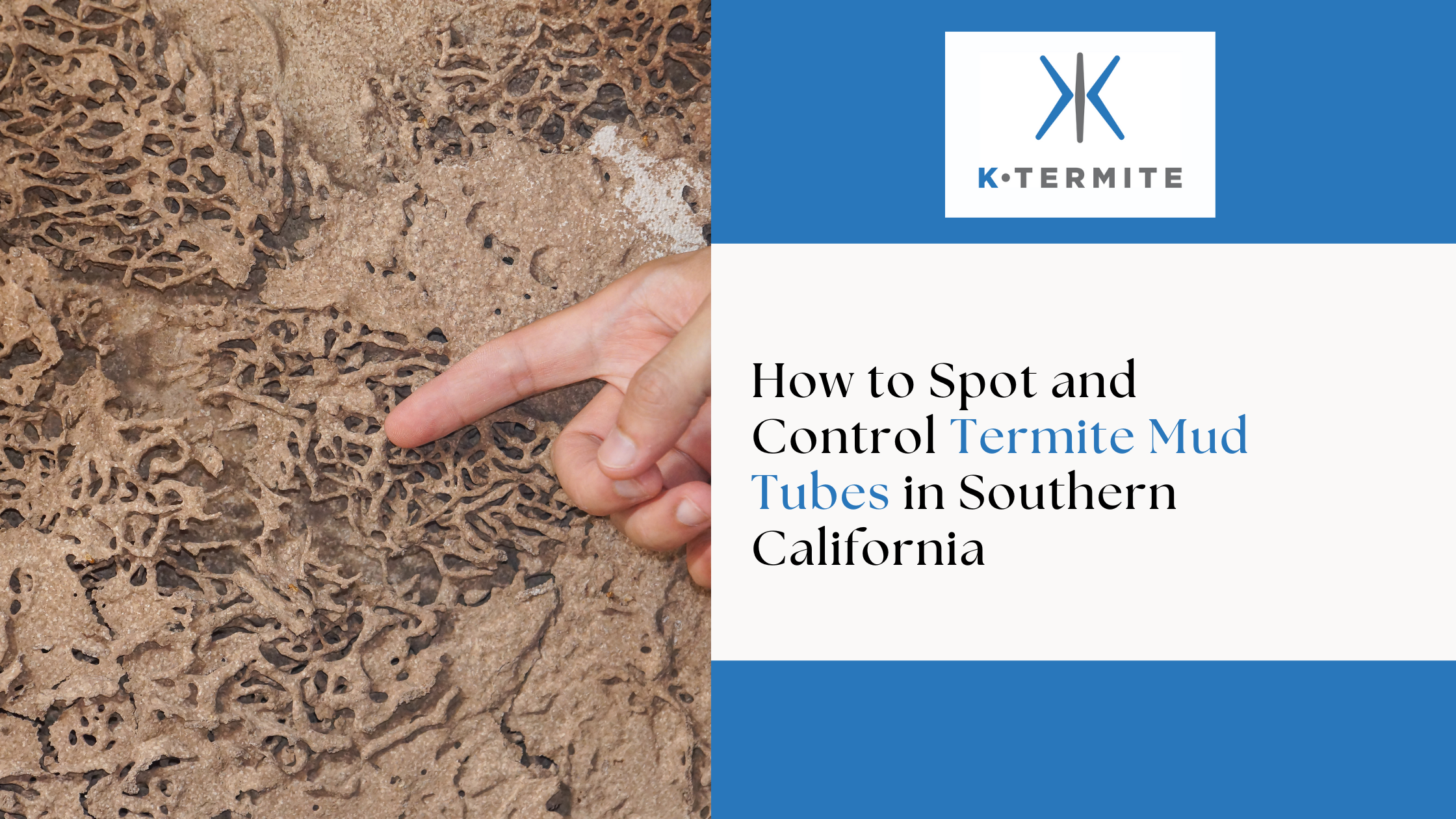
If you wonder, ‘Can termites live in dirt?’, the answer is yes. Subterranean termites build extensive colonies deep underground and build mud tunnels using soil to travel up and into your home while staying protected from the elements.

Common Places Termites Hide Inside Your Home
Knowing where to find termites indoors helps homeowners recognize early warning signs before serious structural damage occurs.
1. Inside Walls
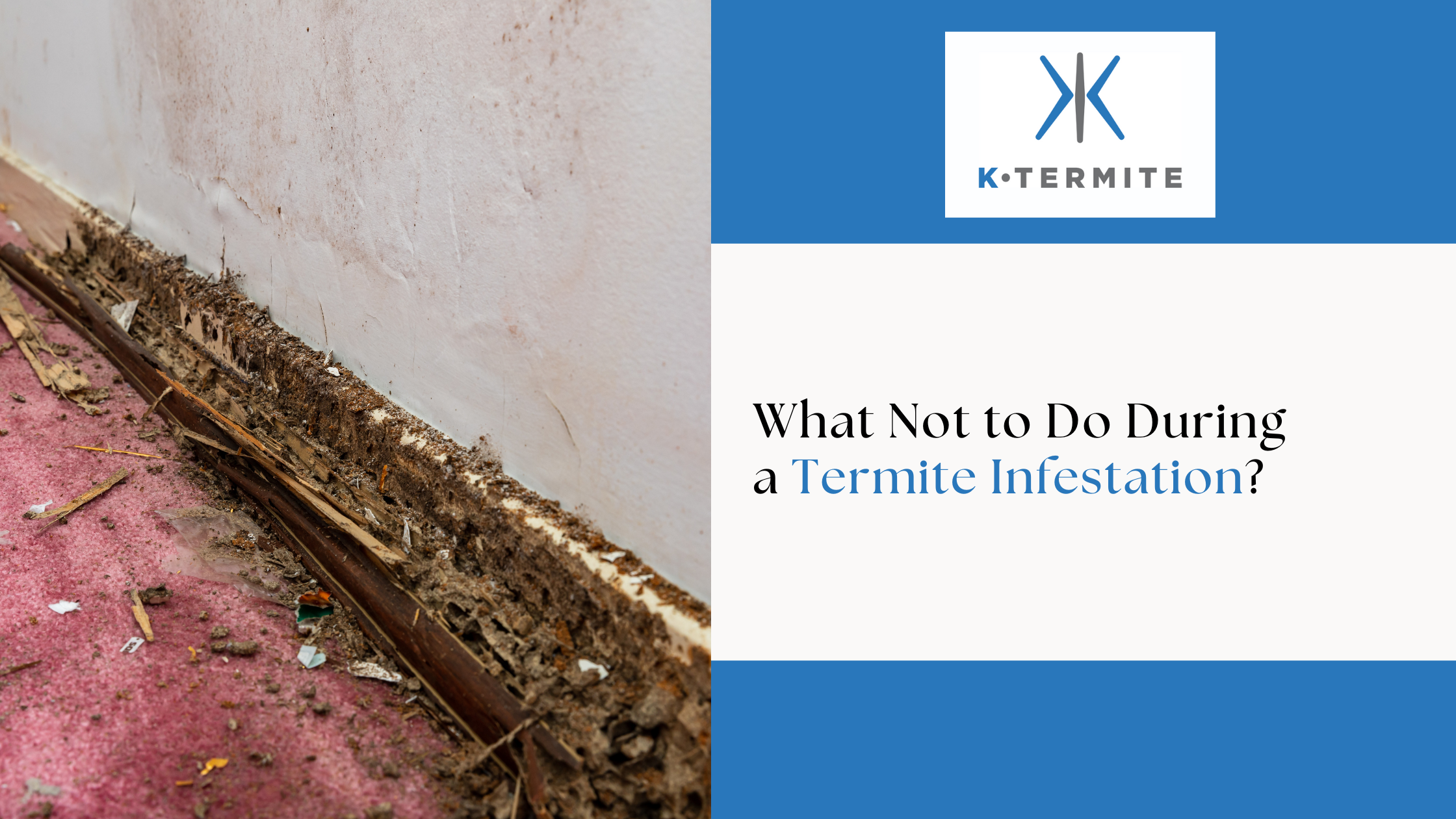
Walls are one of the most common hiding places for termites. Wooden studs, drywall backing, and insulation provide ideal conditions and large food sources. Because termites often don’t eat wood from the inside out, walls can look perfectly normal while being severely damaged internally.
Warning signs include:
- Bubbling or peeling paint
- Small pinholes with sand-like pellets
- Soft or hollow-sounding walls
- Hairline cracks near baseboards
Subterranean termites often build mud tubes inside wall voids, while drywood termites live directly inside the wood itself.
Get to know: Subterranean Termites vs Drywood Termites: Which Is More Dangerous?
2. Attics and Roof Framing
Attics are the prime location for drywood termite activity. Attics are readily accessible due to open ventilation and large amounts of unpainted and unsealed wood. All it takes for one flying termite, or swarmer, to establish and become a colony.
Signs of termites in attics include:
- Small piles of pellet-like droppings (frass)
- Damaged or brittle wood
- Winged termites near attic vents or lights
- Discarded wings in multiple locations
3. Crawl Spaces and Subfloor Areas
Crawl spaces provide darkness, humidity, and easy access to structural wood, perfect conditions for termites. Subterranean termites often enter homes through these areas.
Common issues that attract subterranean termites are:
- Poor ventilation
- Plumbing leaks
- Wood-to-soil contact
- Standing & extensive moisture
Subterranean termites will begin moving upward into subfloors, floors, interior walls, and everything else. If there is any water leak in your home, subterranean termites will find it and begin to cause damage.
4. Wooden Floors and Baseboards
Hardwood floors, laminate flooring, and baseboards are frequent targets, especially when moisture is present. Termites may enter from below and work their way up.
Watch for:
- Warped or buckling floors
- Hollow sounds when tapped
- Baseboards that crumble easily
Learn: Do Drywood Termites Thrive Undetected in Wood?
5. Bathrooms and Kitchens
Any area with plumbing is at higher risk. Slow leaks under sinks, behind toilets, or inside walls create moisture that subterranean termites need to survive.
Common hiding spots include:
- Under kitchen and bathroom sinks
- Under stall showers
- Walls behind showers or tubs
- Flooring around sinks, refridgerators, and dishwashers
Even minor leaks can support termite activity for long periods.
Common Places Termites Hide Outside Your Home
1. Soil Around the Foundation
Subterranean termites live in underground colonies and enter homes from the soil. The foundation perimeter is one of the most critical areas to monitor.
They often build mud tubes along:
- Foundation walls
- Expansion joints
- Plumbing penetrations
- Cracks in concrete
These tubes protect termites from light and dehydration while allowing them to travel between the colony and food sources.
2. Wood-to-Soil Contact Areas
Any wood touching soil is an open invitation for termites. This includes:
- Fence posts
- Deck supports
- Porch steps
- Siding that extends too close to the ground
Once termites infest exterior wood, it’s only a matter of time before they move into the structure.
From hollow wood to hidden wall damage, learn what termite damage really looks like.
3. Decks, Patios, and Pergolas
Outdoor wooden structures are often the starting point of an infestation. Pressure-treated wood can still be vulnerable over time, especially if moisture is present.
Termites commonly hide in:
- Deck joists
- Stair stringers
- Railings
- Pergola beams
From there, they can travel directly into the home through attached structures.
4. Tree Stumps, Mulch, and Firewood
Termites are attracted to dead wood. Tree stumps, stored firewood, and thick mulch beds near the home provide food and shelter.
Best practices include:
- Keeping firewood at least 20 feet from the house
- Removing old stumps
- Avoiding mulch buildup near the foundation
These steps reduce the chance of termites establishing nearby colonies.
5. Garages and Storage Areas
Garages often contain exposed framing, stored cardboard boxes, and wooden shelving. Cracks in garage slabs also allow subterranean termites easy access.
Because garages are less frequently inspected, infestations can grow unnoticed, eventually spreading into living spaces.
Related Articles:
Does Mulch Attract Termites? Signs and Prevention Methods
How Moisture Retention Affects Termite Colonies in Irvine
How Long Do Termites Live? Complete Guide
How Different Termite Types Choose Their Living Spaces
Not all termites live the same way. Their hiding places vary based on species.
Subterranean Termites
- Live underground
- Enter homes through soil contact
- Build mud tubes for protection
- Target foundations, floors, and lower walls
Drywood Termites
- Live entirely inside wood
- Don’t require soil contact
- Often infest attics, furniture, and framing
- Leave behind dry, pellet-like droppings
Understanding which type is present helps determine where to look and how to address the issue.
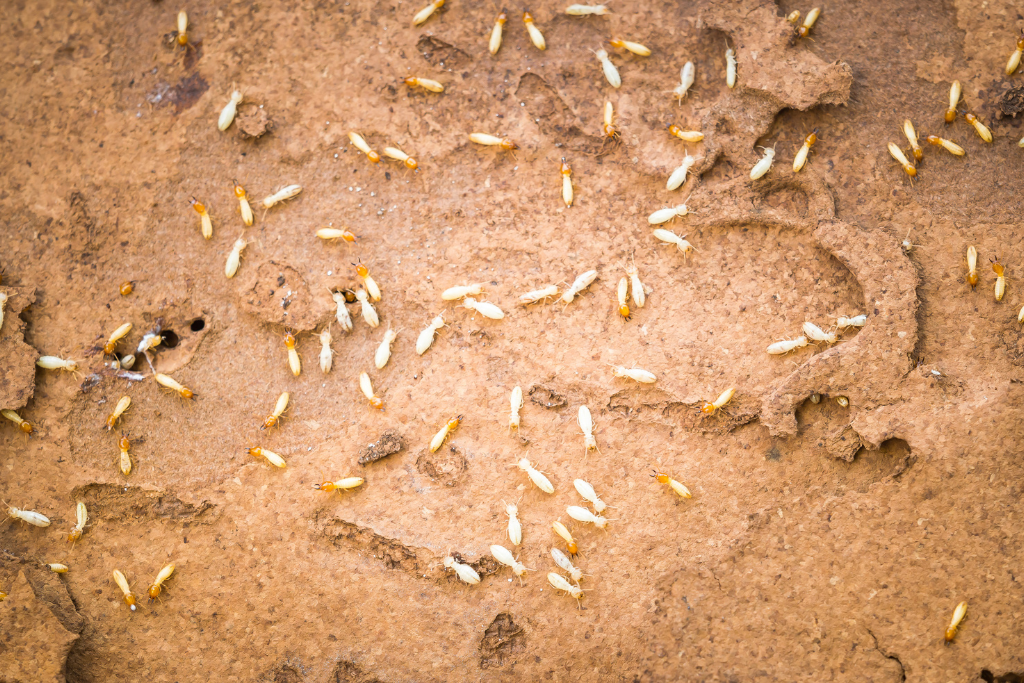
Why Professional Inspections Matter When Termites Stay Hidden
Even with careful maintenance, termites can still find their way into a home. That’s why professional inspections play a critical role in long-term protection. K Termite is a family-owned company with over 25 years of experience, specializing exclusively in termite inspections, treatments, and structural protection.
We offer free termite inspections, multiple treatment options tailored to your property, in-house wood repair, and strong warranties backed by our termite protection policy. Our trained specialists know exactly where termites hide and how to eliminate colonies at the source before damage spreads.
If you’re concerned about hidden termite activity in or around your home, contact K Termite today for a professional evaluation and reliable protection.
Termites don’t need much space to cause serious damage. From wall voids and attics to soil around your foundation, they hide where you least expect them. Knowing where termites live helps homeowners stay alert, act early, and protect their investment.
If you suspect termites or simply want to be sure, professional inspection is the smartest next step.
FAQs
Q1. How Long Can Termites Live Undetected?
Termites can remain undetected for years, feeding inside wood, walls, and foundations. Their hidden behavior allows damage to build gradually without visible signs until inspections uncover activity.
Q2. Why Termites Are So Hard to Detect?
Termites live inside wood, soil, and enclosed spaces, avoiding light and open air. They work quietly behind walls and foundations, leaving little visible evidence early on.
Q3. How to Reduce Termite Hiding Spots Around Your Home
Reduce moisture, fix leaks, remove wood-to-soil contact, store firewood away from structures, seal cracks, and keep crawl spaces dry to limit conditions that allow termites to hide.

.png)
.png)
.png)
.png)
.png)
.png)
.png)
.png)
.png)
.png)
.png)
.png)
.png)
.png)
.png)
.png)
.png)
.png)
.png)
.png)
.png)
.png)
.png)
.png)
.png)
.png)
.png)
.png)
.png)
.png)
.png)
.png)








.png)
.png)
.png)
.png)
.png)
.png)
.png)
.png)


.png)
.png)







.png)
.png)

.png)
.jpg)

.webp)
.webp)



.webp)

.svg)

