
.png)
You don’t usually see termites marching across your living room floor. They work quietly, hidden behind drywall, insulation, and framing. By the time damage becomes visible, colonies may already be active inside attics and wall voids.
Attics and wall voids provide ideal conditions for termite activity, allowing colonies to expand quietly while feeding on structural wood. Knowing how termites enter attics and walls helps property owners recognize early warning signs and block entry points before serious repairs are needed.
Below, we explain the most common termite entry points, why these areas attract termites, and how to reduce the risk.
Why Attics and Wall Voids Are Prime Targets
Attics and wall voids offer termites exactly what they need to survive: wood, shelter, stable temperatures, and limited disturbance. Once termites gain access, these areas allow them to move freely between structural components without being detected.
Wall voids act like highways, connecting the foundation, framing, ceilings, and roof structure. Attics provide access to roof framing, trusses, and beams, which are often made of untreated wood. If termites reach these zones, damage can spread quickly.
Common Entry Paths Termites Use to Reach Walls and Attics
Soil-to-Wood Contact Near the Foundation
One of the most common starting points for subterranean termites in attics and walls is soil-to-wood contact around the foundation. Subterranean termites live underground and naturally travel upward in search of cellulose.
Entry often occurs when:
- Wooden siding extends below the soil level
- Deck posts or porch supports touch the ground
- Expansion joints allow moisture to accumulate near the framing
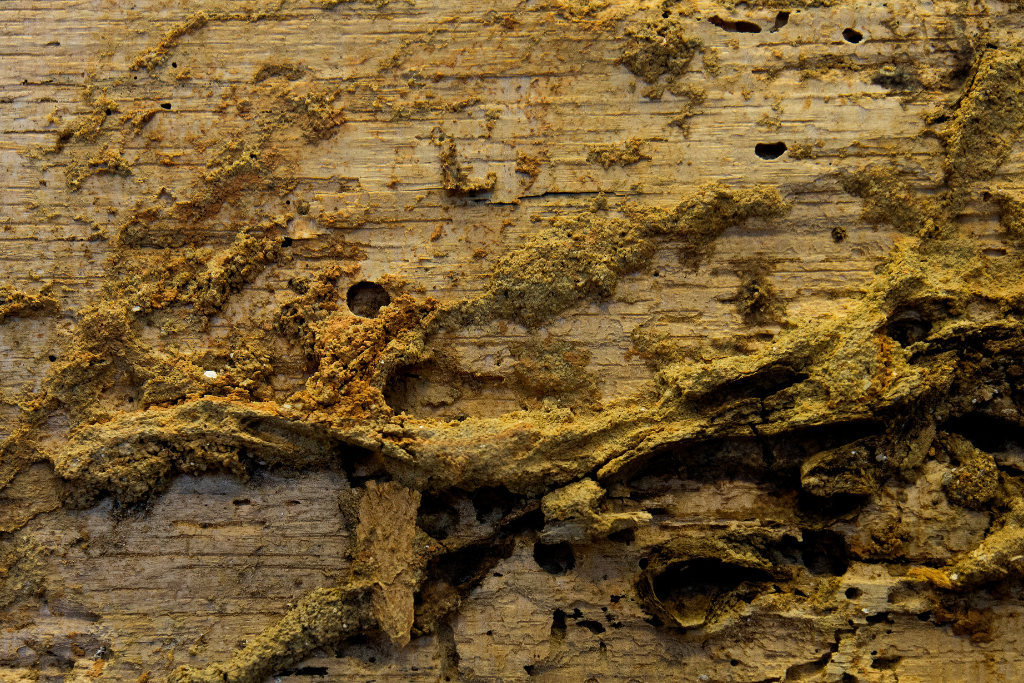
Once termites access the lower wall framing, they build mud tubes inside the wall voids, gradually working their way upward toward ceiling cavities and attic spaces.
Cracks and Gaps in the Foundation
Even small foundation cracks can serve as entry routes. Termites only need narrow openings to move from soil into wall systems.
Common access points include:
- Hairline cracks in slabs
- Gaps around plumbing penetrations
- Expansion joints beneath exterior walls
From there, termites follow framing members vertically, often reaching second stories and attic structures without leaving visible exterior evidence.
Learn how to protect your attic from termites and damage in Southern California.
Roof Leaks and Moisture Intrusion
Attics are usually dry, but moisture changes everything. A slow roof leak or poorly sealed vent can create damp wood that attracts termite activity.
Moisture sources that raise risk include:
- Damaged shingles or flashing
- Leaking skylights
- Condensation around HVAC ducts
- Inadequate attic ventilation
Once moisture is present, termites can enter through roofline gaps or travel upward through walls to reach the attic framing.
Utility Lines and Plumbing Penetrations
Pipes, electrical conduits, and HVAC lines pass through walls and ceilings, leaving small openings behind. These penetrations often connect soil, wall voids, and attic spaces.
Termites frequently use:
- Plumbing access holes beneath sinks
- Electrical line penetrations
- HVAC chases running vertically through walls
These paths allow colonies to move unseen between floors and into the roof framing.
Exterior Wall Gaps and Construction Joints
Natural settling and aging of materials can open gaps along exterior walls. Termites take advantage of these weak points.
High-risk areas include:
- Gaps behind stucco or siding
- Cracks at window and door frames
- Separation where walls meet roofs
Once behind exterior surfaces, termites can travel directly into wall voids and spread horizontally and vertically.
Shared Walls in Multi-Unit Buildings
In townhomes and multi-unit properties, termites don’t stop at property lines. Wall voids often connect between units, allowing colonies to spread from one structure to another.
This is common when:
- Units share framing components
- Fire blocks are compromised
- Previous damage was not fully repaired
Attics connected by common rooflines are especially vulnerable.
Get to know: Is My Home at Risk for Termites in Southern California?
Signs of Termites in Walls and Attics
Because these areas are concealed, warning signs are often subtle. Homeowners may notice:
- Faint clicking sounds inside the walls
- Blistering or uneven paint
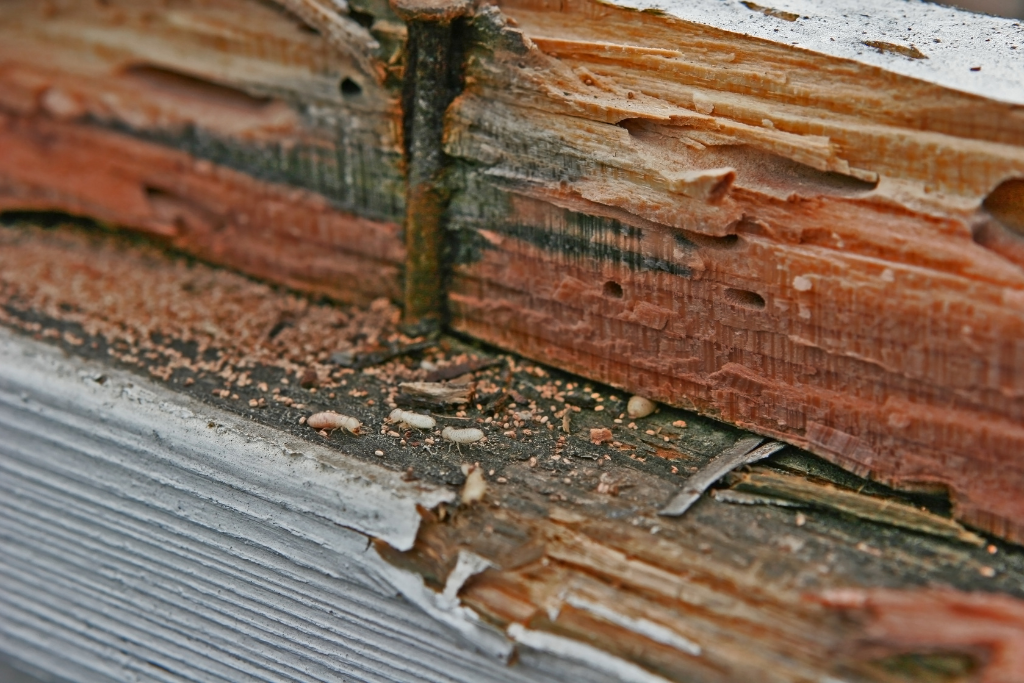
- Small piles of drywood termite pellets near baseboards or attic access points
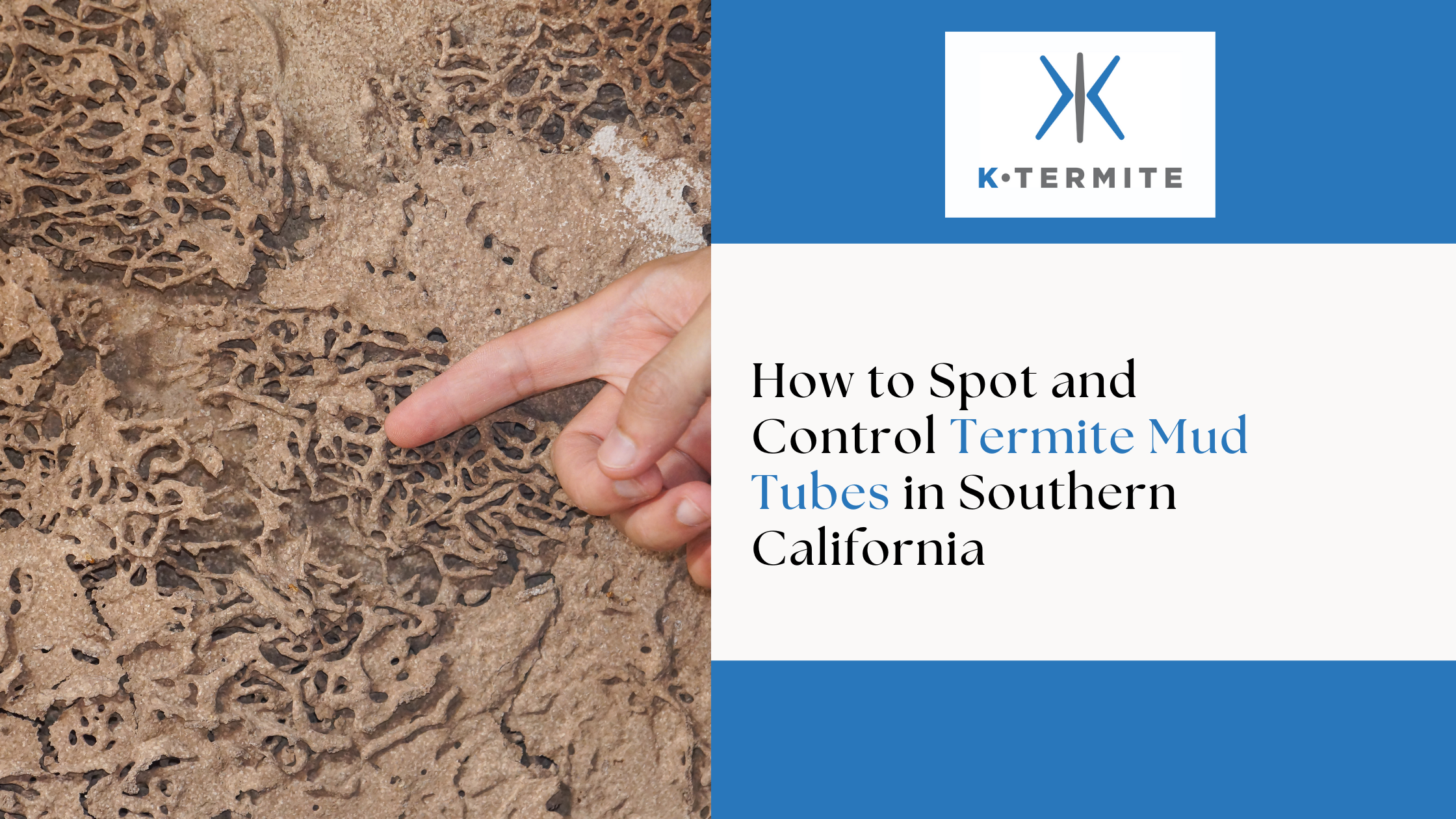
- Mud tubes along interior walls or attic framing
- Sagging drywall or ceilings
By the time these signs appear, termites may already be active across multiple levels of the structure.
Related Articles:
How Long Does It Take To Get Rid of Termites Out of Your House
What Does Termite Damage Look Like? Signs Every Homeowner Should Know
How Do I Choose the Right Termite Treatment for My House?
Protecting Attics and Wall Voids with Proven Methods
At K Termite, we focus on finding termite activity where it often goes unnoticed. Our inspections target attics, wall voids, crawl spaces, and structural framing to locate colonies before damage expands.
We use detailed inspection techniques to trace entry points, moisture sources, and travel paths. Our treatment options are selected based on the structure, level of activity, and construction type. When repairs are needed, our in-house carpentry team restores damaged wood to maintain structural strength.
We don’t rely on surface-level solutions. Our goal is to stop termites at the source and reduce the chances of re-entry. With clear reports, honest recommendations, and strong warranties, our team works to protect properties from further damage.
Regular inspections, proper treatment, and quality repairs help keep attics and wall voids secure long-term.
Protect your home today with a professional termite inspection—call us now.
How Building Design Can Increase Risk
Certain construction features make it easier for termites to reach wall voids and attics.
Higher-risk designs include:
- Slab foundations without proper treatment
- Poor drainage around the structure
- Wood-heavy framing systems
- Inadequate clearance between the soil and the siding
Even well-built homes can develop vulnerabilities over time as materials age.
Termites don’t need open doors to invade a structure. Small gaps, moisture issues, and hidden connections allow them to reach attics and wall voids without notice. By knowing how these entry points form and addressing them early, property owners can limit damage and protect their investment.
Professional inspections remain the most reliable way to catch hidden activity and stop termites before they spread into critical structural areas.
FAQs
Q1: Do termites live in attics and walls?
Yes. Termites can live in attics and walls if they find wood and moisture. Drywood termites eat wood in attics, while subterranean termites can travel from the ground through walls to reach the attic.
Q2: How to get rid of termites in walls and attics?
To get rid of termites in walls and attics:
- Conduct a professional inspection to locate colonies.
- Apply termiticides in wall voids and attic framing.
- Repair or replace damaged wood.
- Control moisture by fixing leaks and improving ventilation.
Schedule regular inspections to prevent future infestations.

.png)
.png)
.png)
.png)
.png)
.png)
.png)
.png)
.png)
.png)
.png)
.png)
.png)
.png)
.png)
.png)
.png)
.png)
.png)
.png)
.png)
.png)
.png)
.png)
.png)
.png)
.png)
.png)
.png)
.png)
.png)
.png)







.png)
.png)
.png)
.png)
.png)
.png)
.png)
.png)


.png)
.png)






.png)
.png)

.png)
.jpg)

.webp)
.webp)



.webp)

.svg)

