
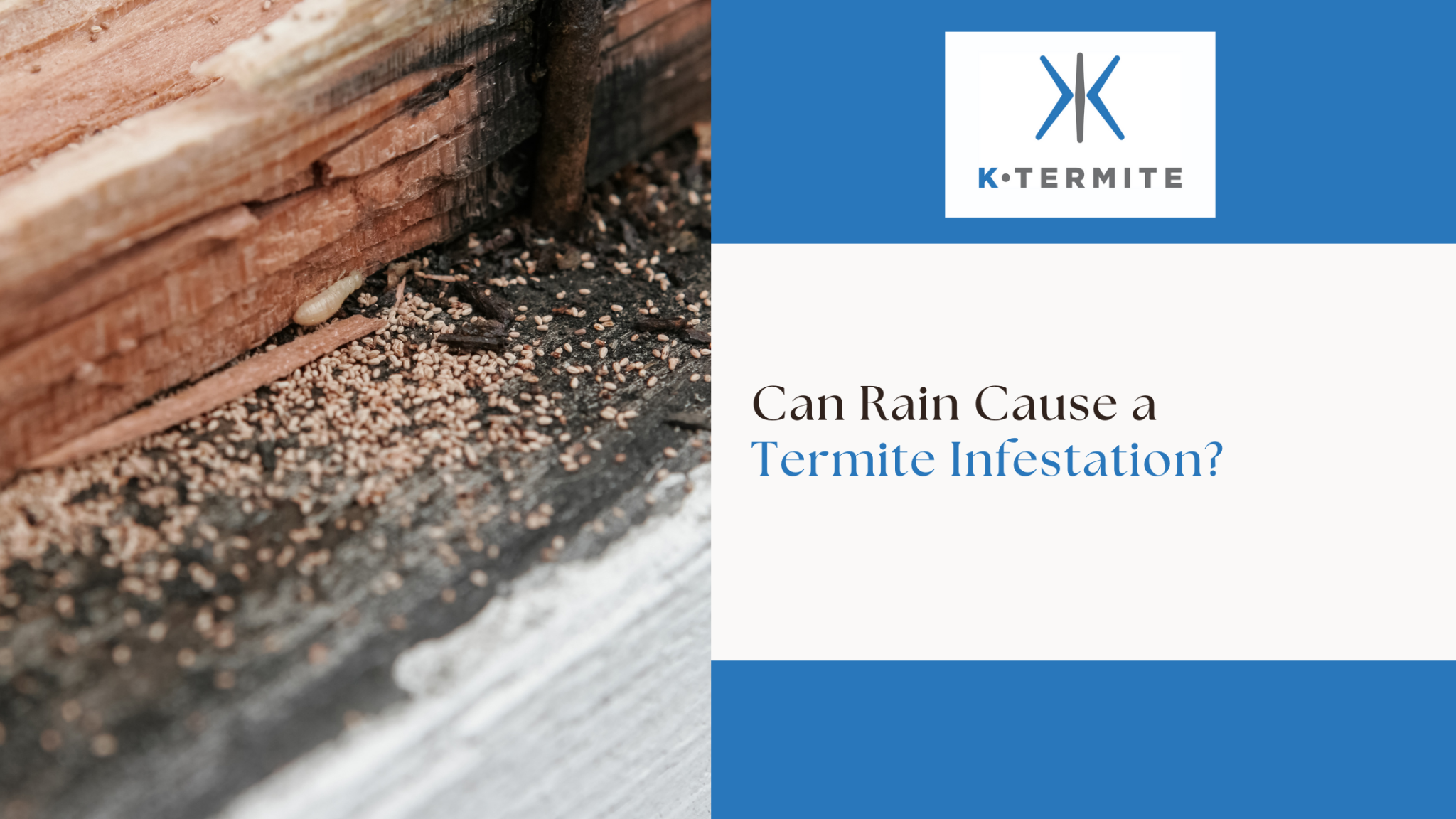
Rain does not create subterranean termites, but it significantly increases infestation risks. While homeowners often ask if subterranean termites emerge after rain, the answer is yes: termite activity increases after rainfall. Wet conditions force colonies to forage for drier wood, which frequently leads them toward homes
During heavy or prolonged rain, environmental conditions favor termite survival and movements. This increased activity makes termites more noticeable and explains why infestations show signs during, or shortly after, rainy seasons.
This guide explains how rain impacts termite behavior and why moisture control and regular inspections remain essential during wet seasons
Does Rain Actually Create Termites?
Contrary to common belief, rain does not "bring" subterranean termites into a home. They already exist in the surrounding soil, landscaping, or nearby structures. Rain simply changes their environment to a more conducive one, allowing them to forage and extend to more areas.
When underground conditions become unstable or overly wet, termites look for drier, more secure areas. Homes provide exactly what they need: shelter, wood, and stable temperatures.
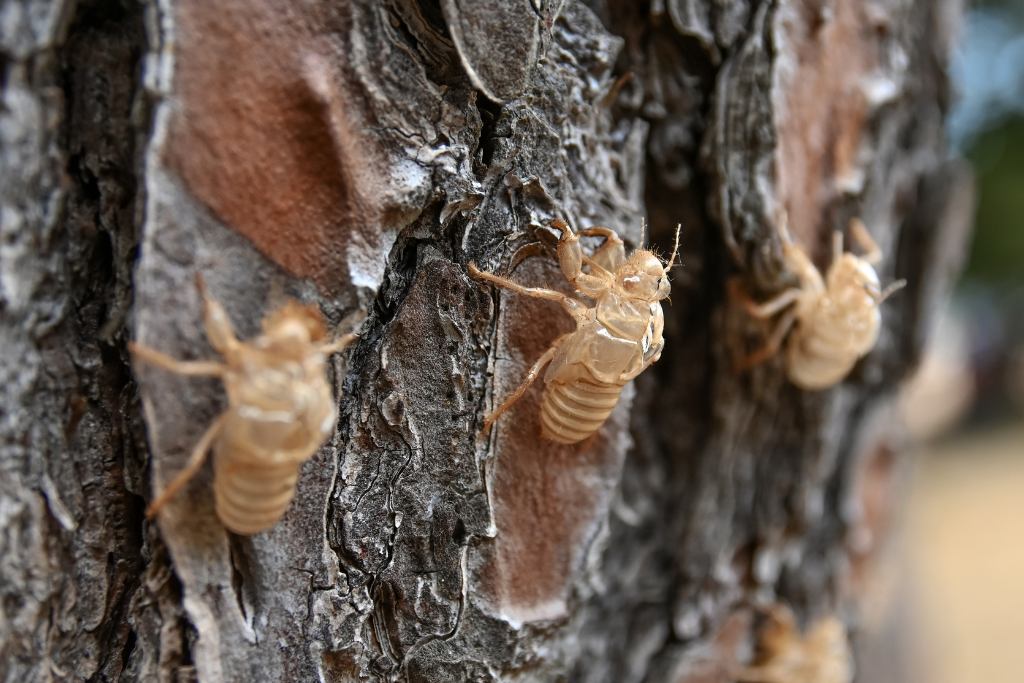
Why Moist Conditions Attract Termites
Termites depend on moisture to survive. Moist areas and environments with consistent humidity provide a perfect storm of events for their expansion.
Subterranean termites are most common, live underground, and create colonies through the soil. Rain-soaked ground is easier to tunnel through, allowing colonies to access structures that are otherwise difficult to reach.
Drywood termites are not dependent on soil, but moisture from rain can still weaken wood and make it more inviting for nesting.
How Rain Affects Homes and Increases Termite Risks
Rain impacts a home’s structure, making wood and hidden spaces vulnerable. Excess moisture and poor drainage create ideal conditions for colonies to establish themselves unseen.
Rain and Wood Vulnerability
Wood exposed to repeated moisture absorbs water, becomes softer, and loses its natural resistance. This is especially true for:
- Fascia boards and gables
- Roof sheathing
- Rafter tails
- Studs
- Deck supports
- Fence posts
- Window frames
- Door thresholds
- Subfloor areas
Learn: Which Wood Types Are Most Resistant to Termite Damage?
Leaks and Hidden Moisture After Rain
Rain often reveals hidden issues. Small roof leaks or failing window seals allow water to enter wall cavities. These damp, undisturbed areas provide excellent shelter for termite colonies. Because the damage occurs out of sight, infestations often go unnoticed until structural damage is advanced.
Flooding and Termite Movement
Flooding does not eliminate termites. When colonies are disturbed by excessive water, they seek higher ground, including homes. Termite activity often increases after floods as colonies look for stable food sources.
Mulch, Landscaping, and Rain Retention
Rain-soaked mulch holds moisture against the soil and structure. When placed too close to a foundation, it creates a damp bridge for termites. Overwatered gardens and soil piled above the foundation line contribute to prolonged moisture retention.
Humidity Inside the Home
Rain doesn’t just affect the exterior. Increased humidity inside crawl spaces, basements, and attics also encourage termite activity. Poor ventilation combined with seasonal rainfall leads to condensation on wood surfaces leads to more susceptibility over time.
Homes with limited airflow in the attic and beneath the structure are particularly vulnerable after wet weather.
Get to know: When are termites most active?
How Rain Changes Soil Conditions Around Homes
After prolonged rain, the soil becomes softer and easier for termites to tunnel through. Cracks in foundations, gaps around plumbing lines, and expansion joints become accessible pathways. Saturated soil also reduces the need for termites to travel deep underground, making it easier for them to reach structural wood.
Poor drainage around a home magnifies this risk. When water pools near the foundation, it keeps the soil damp for extended periods, creating favorable conditions for termite foraging activity.
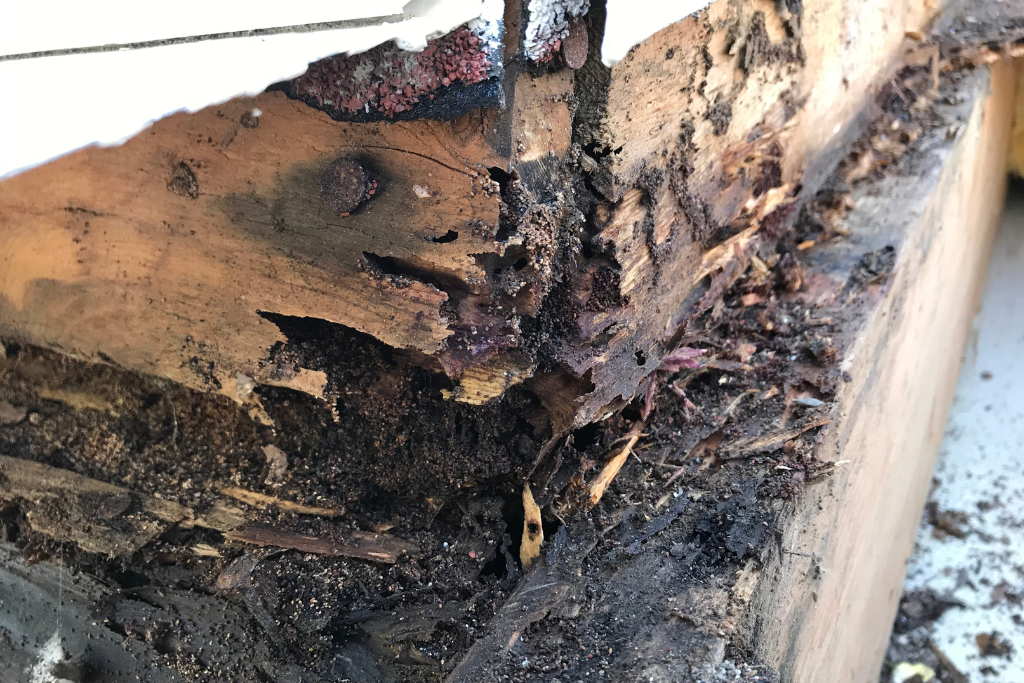
Signs of Termite Activity After Rain
Rain can make existing termite activity more noticeable. Homeowners often discover issues shortly after storms because moisture brings termites closer to visible areas. Common warning signs include:
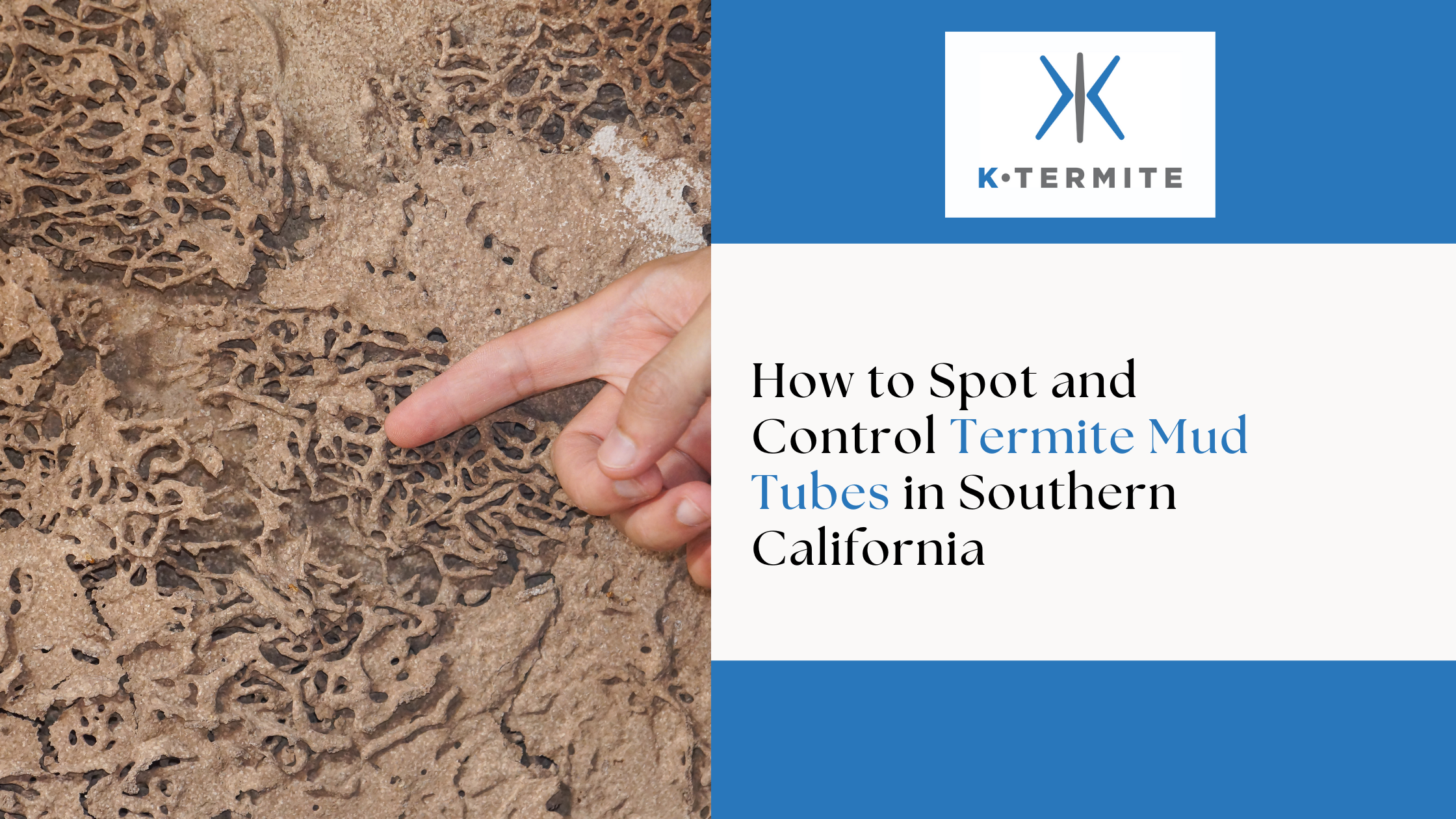
- Mud tubes along foundation walls
- Swarming termites near windows or doors
- Discarded wings indoors
- Bubbling or peeling paint
- Soft or hollow-sounding wood
Swarming typically occurs after rainfall when humidity levels rise, making this a critical time for inspections.
Related Articles:
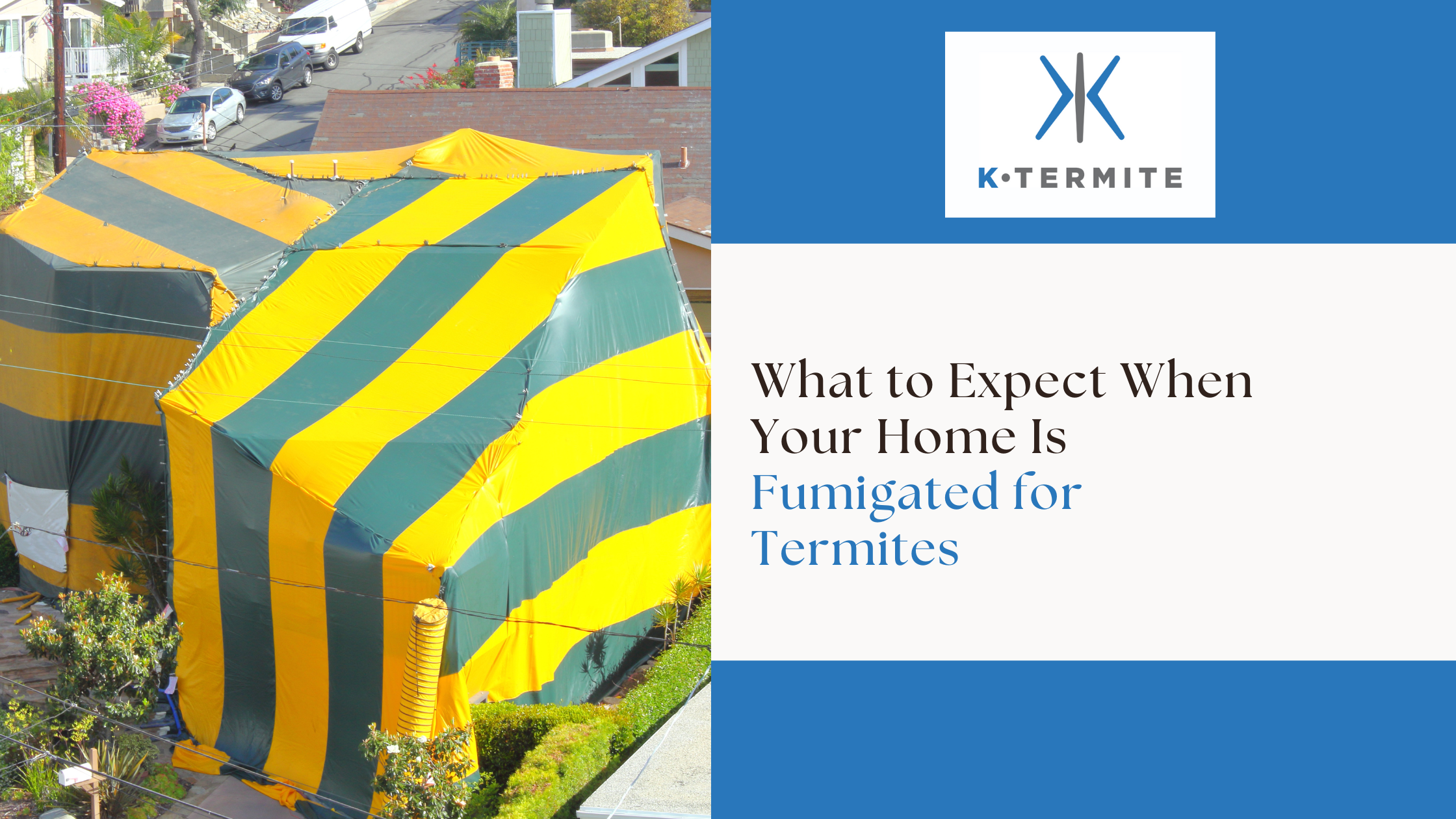
How to Handle Termite Damage Repair in Southern California: Inspection and Cost Breakdown
Where do termites live? Common places they hide in and around your home
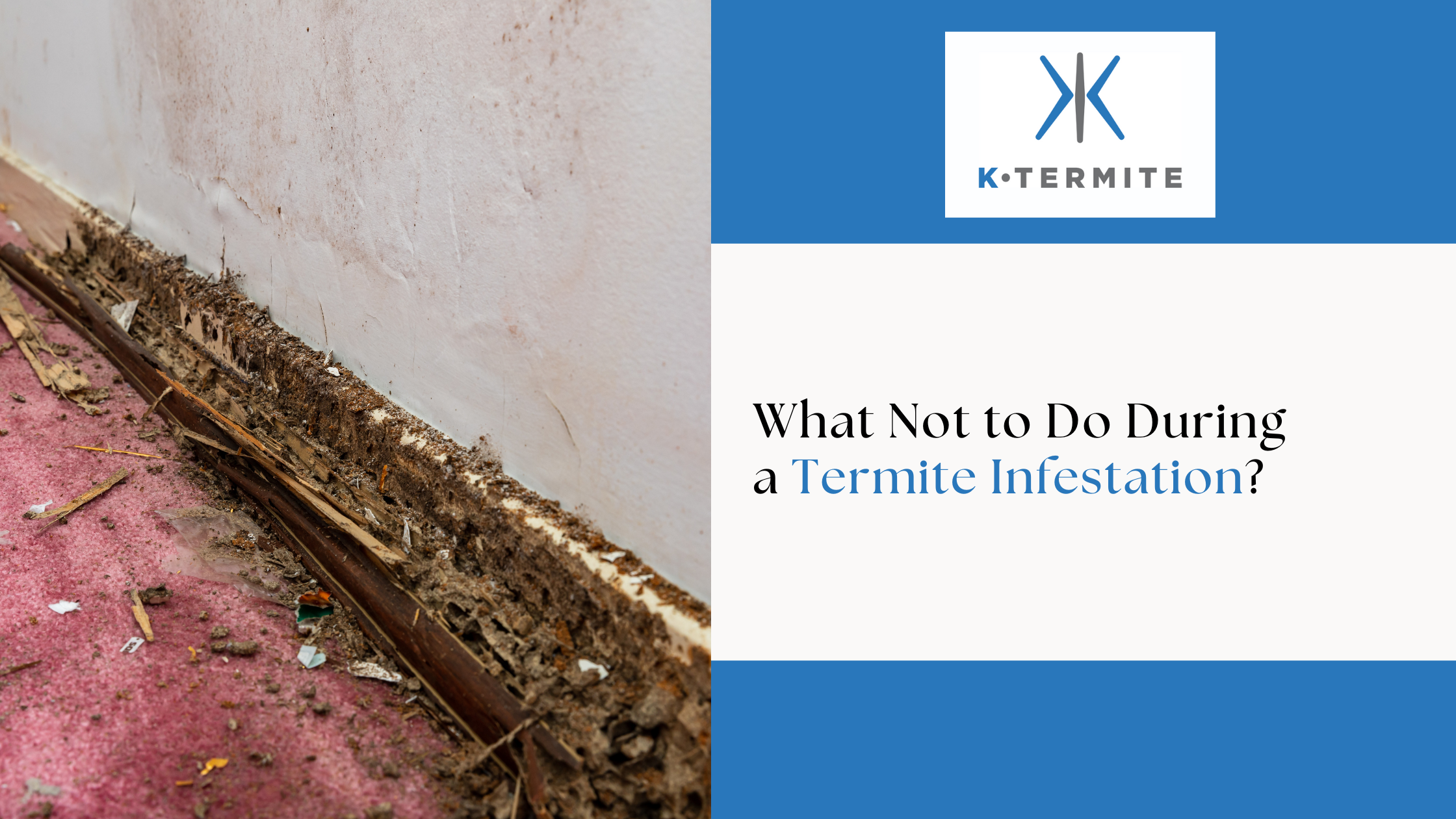
What Not to Do During a Termite Infestation
Preventing Rain-Related Termite Problems
While rain is unavoidable, proactive steps can protect your home from termite threats. Managing water flow, reducing indoor moisture, and keeping wood dry are key strategies to prevent colonies from taking advantage of wet conditions and hidden vulnerabilities.
- Improve Drainage: Ensure soil slopes away from the foundation, so water doesn’t collect near the structure. Downspouts should extend several feet away from the home.
- Control Moisture Indoors: Fix roof, plumbing, and HVAC leaks promptly. Use proper ventilation in crawl spaces and attics to reduce humidity.
- Keep Wood Dry and Elevated: Avoid storing firewood, lumber, or wooden debris directly against the home. Deck posts and fences should be properly sealed and kept away from soil contact when possible.
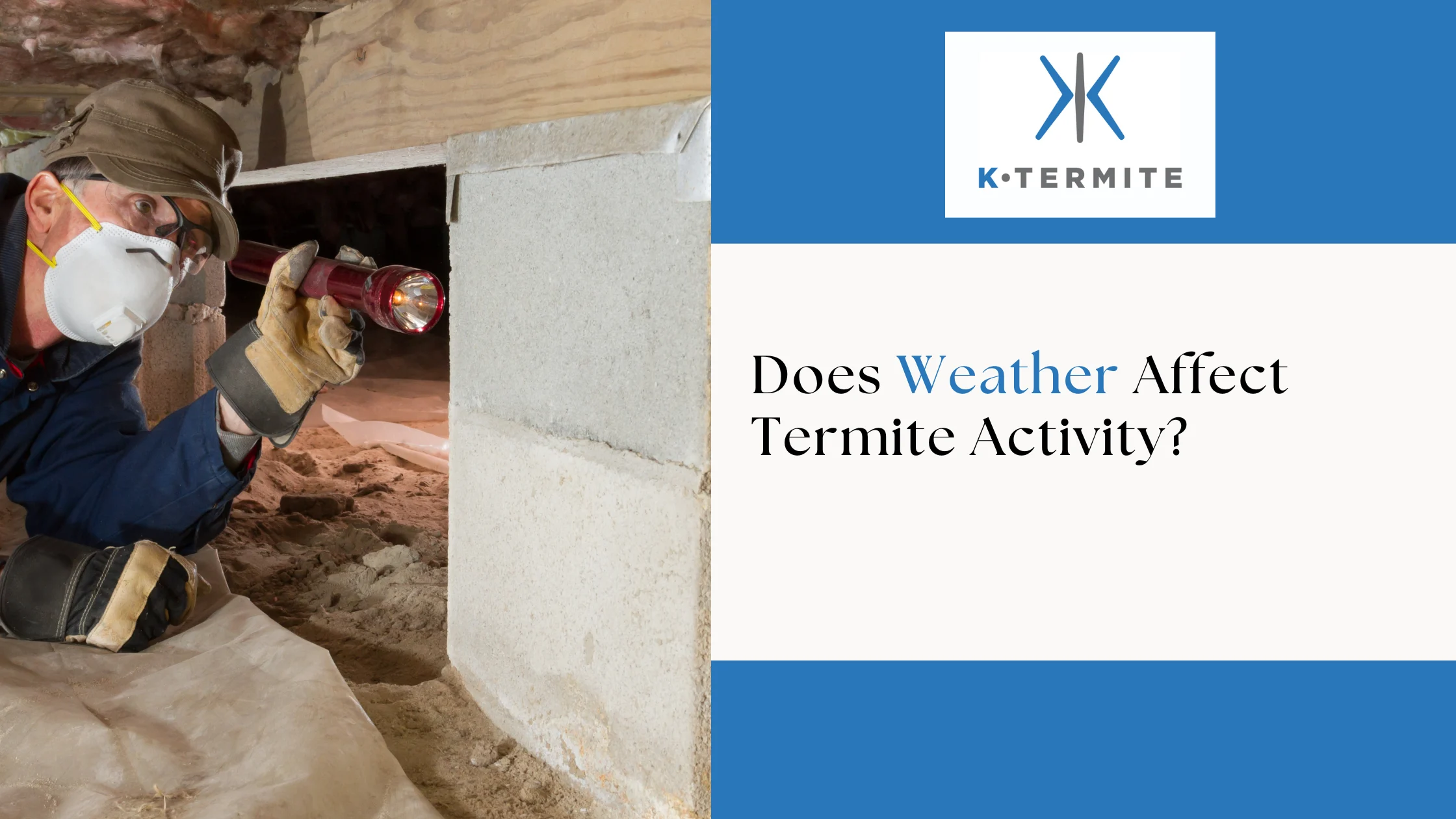
- Schedule Regular Inspections: Routine inspections are one of the most effective ways to catch activity early, especially after periods of heavy rain.
When to Schedule a Professional Termite Inspection
The best time to schedule a termite inspection is now. The next best time is after periods of heavy rain or during the rainy season. This is when activity is highest and early warning signs are most likely to appear.
Why Choose K Termite?
At K Termite, we understand how seasonal moisture impacts termite behavior. Our licensed professionals perform detailed inspections to identify active infestations, moisture-related risks, and vulnerable areas before serious damage occurs. We offer multiple treatment options, clear reporting, and strong warranties designed for long-term protection.
Rain may increase termite activity, but with timely inspections and professional care, infestations can be stopped before they become costly problems.
Contact K Termite today to schedule your FREE termite inspection and protect your home from termites before they cause damage.

.png)
.png)
.png)
.png)
.png)
.png)
.png)
.png)
.png)
.png)
.png)

.png)
.png)
.png)
.png)
.png)
.png)
.png)
.png)
.png)
.png)
.png)
.png)
.png)
.png)
.png)
.png)
.png)
.png)
.png)
.png)
.png)
.png)








.png)
.png)
.png)
.png)
.png)
.png)
.png)
.png)


.png)
.png)







.png)
.png)

.png)
.jpg)

.webp)
.webp)




.webp)


.svg)

