
.png)
Most homeowners in Villa Park never think about termite treatment until the problem becomes unavoidable. And when that moment comes, the pressure to make the right call feels overwhelming.
Two options usually come up: tenting and heat treatment. Friends, neighbors, and even online searches all point to these methods, but no one really explains which one makes the most sense for your home.
The truth is, this isn’t a one-size-fits-all decision. It depends on what's actually happening in your home.
Let's look at this the right way so you can make a decision you feel confident about.

How Does Termite Tenting Work?
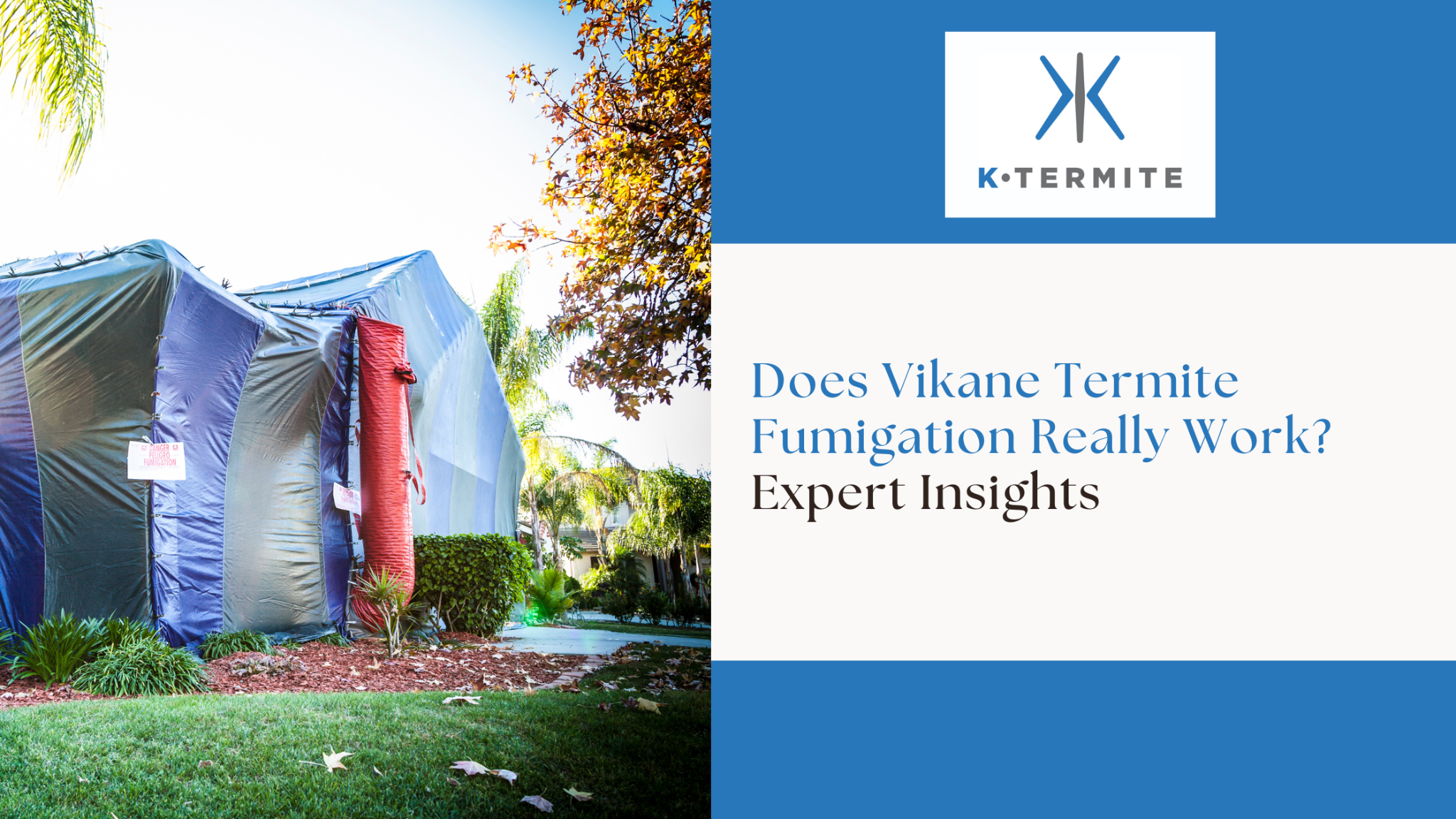
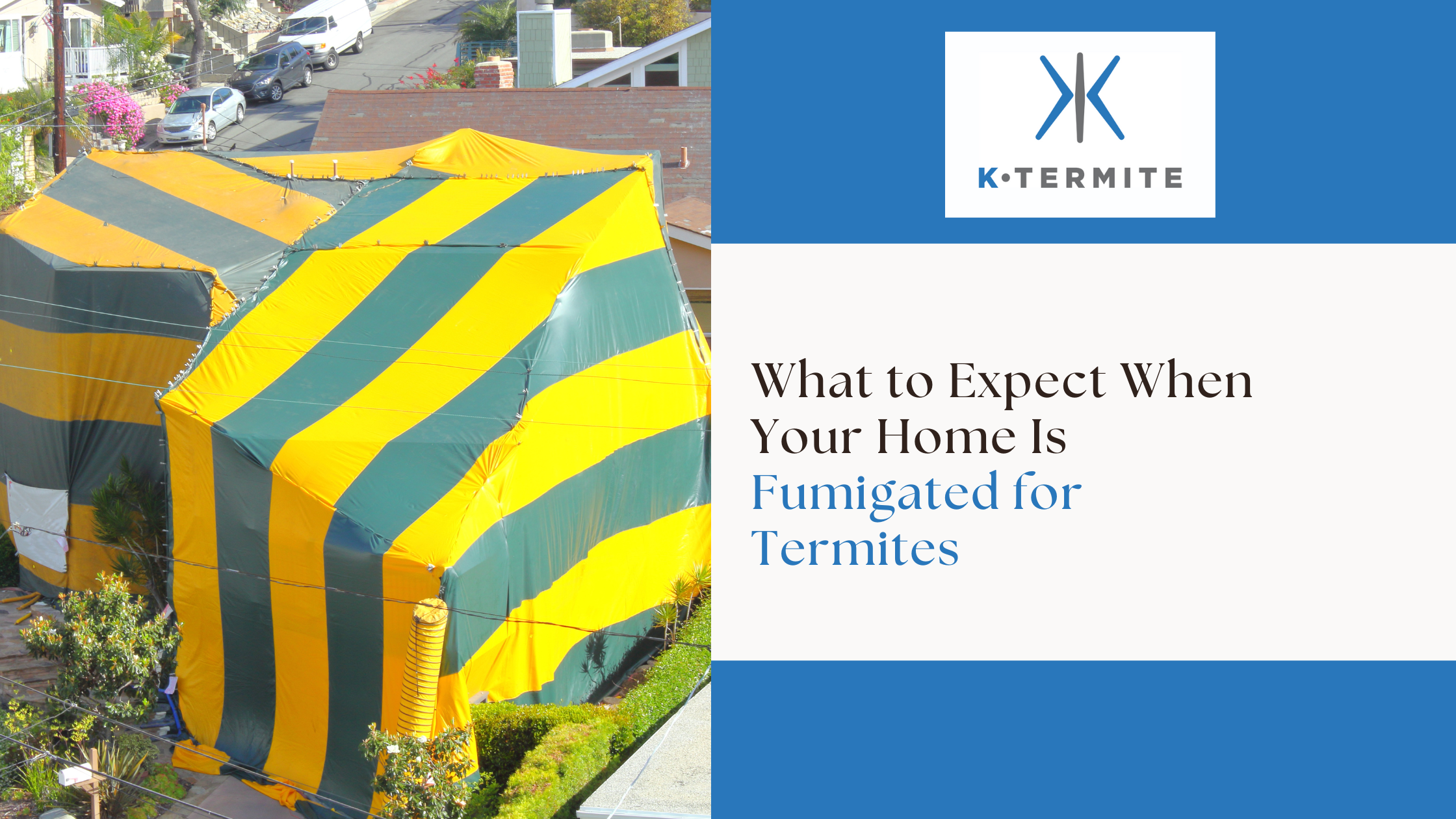
Tenting, or structural fumigation, treats the whole house in one go. The process includes sealing off the structure and adding a fumigant gas that spreads to all areas, even those that are hard to reach.
Because the gas penetrates wood, wall voids, and other hidden spaces, it doesn’t rely on locating every individual point of activity beforehand.
Tenting for termites is considered when
- Termite signs are showing up in multiple areas of the home
- It's not clear where the infestation came from.
- Earlier localized treatments did not completely address the problem.
- A full-structure solution is preferred for peace of mind
It treats the entire structure in one process, making it highly reliable when the extent of the problem is unclear.
Many homeowners also ask, “Is termite tenting safe?” When handled by licensed professionals and proper safety steps are followed, it is generally considered safe. The home is thoroughly aired out before anyone is allowed back inside.
For more details, you can read the following: Why Fumigations Are Extremely Safe, & 100% Guaranteed
How Heat Treatment for Termites Works
Heat treatment takes a more targeted approach. Instead of treating the whole structure, it focuses on certain areas by raising temperatures to levels that termites cannot survive.
Specialized equipment is used to heat only the parts of the home where activity is found, like a room, an attic, or a specific section identified during the inspection.
This approach is considered when:
- Activity is limited to a specific area
- The results of the inspection are precise and localized
- When you want to avoid full-home treatment
- A shorter treatment timeline is preferred
However, heat treatment comes with limitations.
Its effectiveness depends a lot on how evenly the heat is spread. Structural factors like airflow, insulation, and room layout can create uneven heating. More importantly, heat might not always get deep into dense wood or wall voids, which means that some areas might not get treated.
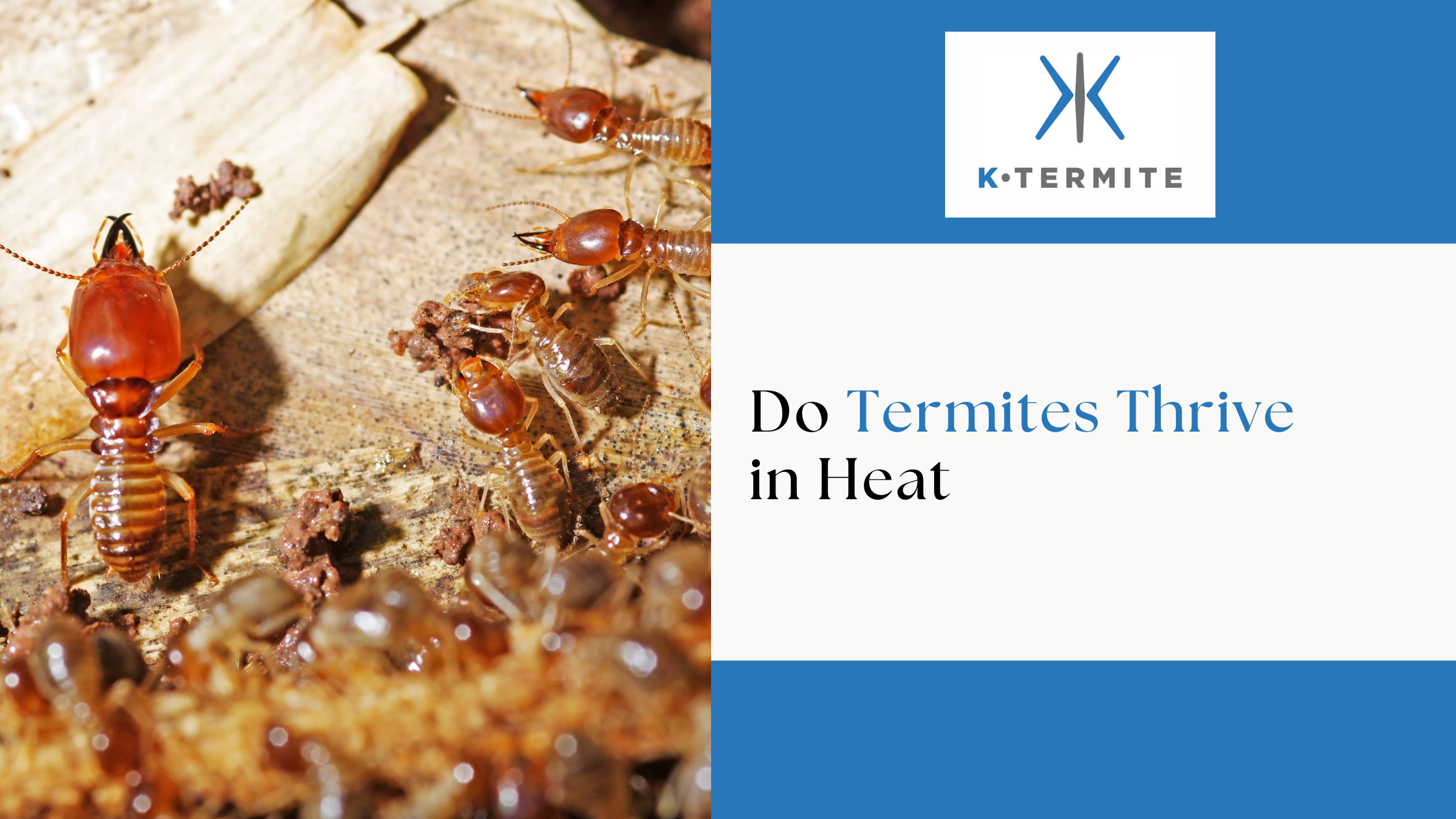
Get to know: Do Termites Thrive in Heat?
Tenting vs Heat Termite Treatment
Factor
Fumigation Tenting
Heat-Based Remediation
Coverage
Broad and uniform throughout the structure
Depends on heat distribution
Home displacement
Required for all occupants
Sometimes partial, sometimes full
Setup complexity
Structured and standardized
Equipment-intensive and variable
Effectiveness in hidden areas
High reach into enclosed spaces
May vary depending on airflow
Impact on home materials
Minimal direct stress on the structure
Can affect paint, wiring, and finishes
Timeline
Clearly defined process window
May require extended monitoring
Suitability for older homes
Generally reliable
Depends on the condition and insulation
Predictability of results
High
Moderate
What Villa Park Homeowners Should Think About Before Deciding
Every home has its own layout, construction style, and history. Before choosing a method, it helps to step back and look at a few practical factors:
1. How widespread is the issue?
2. How important is staying in the home during treatment?
3. Are there sensitive materials or systems in the home?
4. What level of long-term assurance are you looking for?
Once these answers are clear, the decision usually becomes much easier.
Related Articles:
Why Fumigation Is the Best Option for Your Home
How Do I Choose the Right Termite Treatment for My House?
Can Termites Be Removed Permanently?

How K Termite Helps Homeowners Make the Right Call
At K Termite, we don’t walk in with a fixed plan. Every home is different, so we base our recommendations on what we find during the inspection.
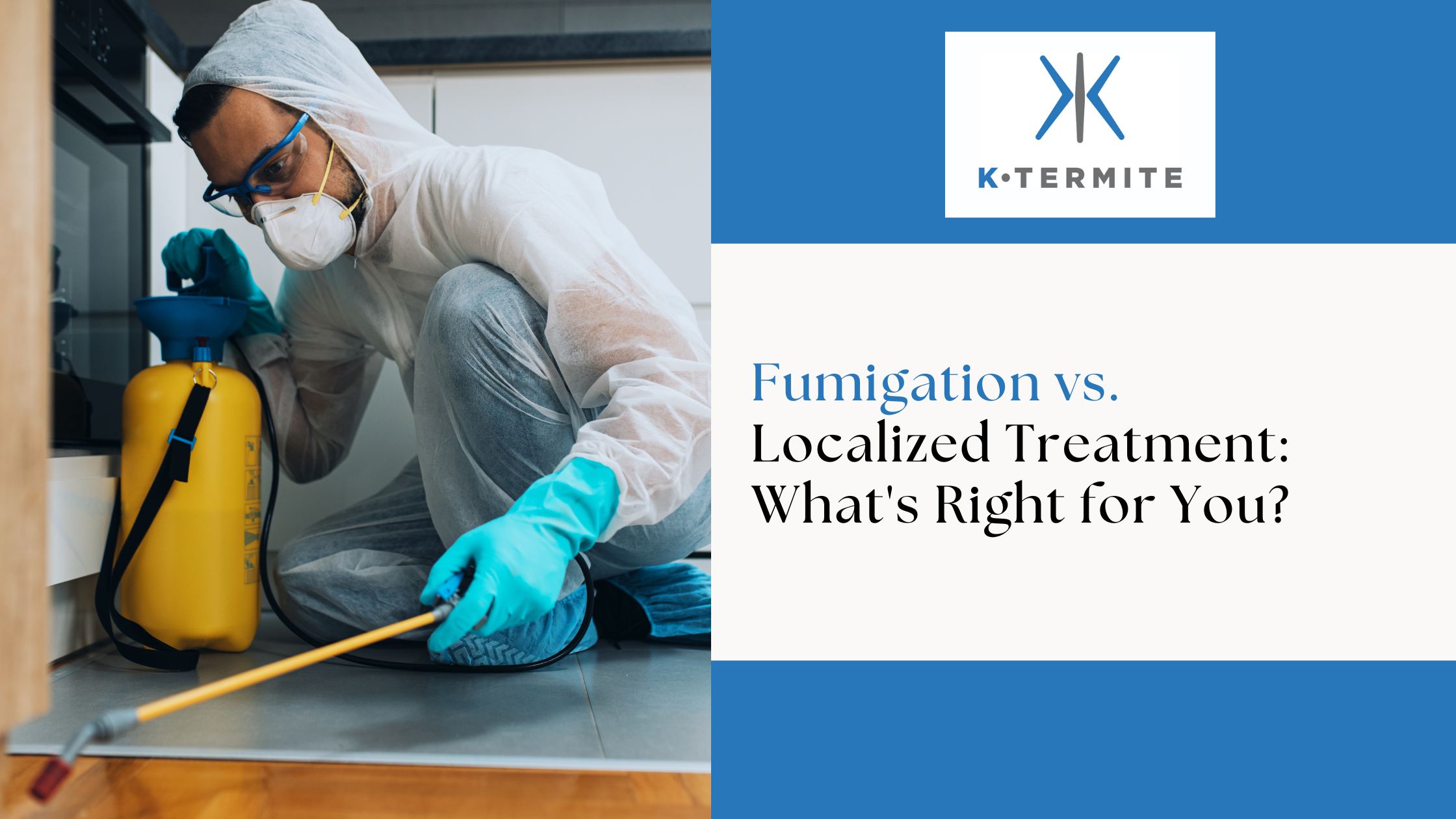
We do not suggest heat treatment. We’ve seen it create issues with painted surfaces, electrical wiring, and other parts of the home that don’t respond well to high temperatures. When the problem is limited, we prefer localized treatments. These allow us to target the affected area without putting the rest of the home under unnecessary stress.
If the situation calls for it, we may recommend a full-structure method. That decision is always based on the condition of the home, not a default approach.
Our goal is simple: fix the problem in the most practical way without creating new ones.
Once you understand the extent of the issue and how each method works, the decision becomes far less confusing.
There’s no need to guess or follow what others are doing. The best choice is the one that works for your home, your needs, and the level of certainty you want.
If you’d like a clear, honest assessment of what’s going on in your home, reach out to K Termite for a professional inspection.
FAQs
Q1. Do I need to prepare my home before termite treatment?
Yes, preparation is usually required. This can include moving certain items, creating access to walls or attic spaces, and following specific safety guidelines provided by your termite professional. The level of preparation varies depending on the treatment approach.
Q2. Will termite treatment prevent future problems?
Treatment addresses current activity, but long-term protection depends on ongoing prevention. Regular inspections, moisture control, and proper maintenance all play a role in reducing the chances of future issues.
Q3. Can I stay in my home during the inspection process?
Yes, inspections are non-intrusive and do not require you to leave your home. The inspector will examine accessible areas and may point out findings in real time.
Q4. How do professionals confirm termite activity is gone?
After treatment, follow-up inspections are used to check for any remaining signs of activity. Professionals look for fresh damage, droppings, or live termites to confirm the issue has been resolved.

.png)
.png)
.png)
.png)
.png)
.png)
.png)
.png)
.png)
.png)
.png)
.png)
.png)
.png)
.png)
.png)
.png)
.png)
.png)
.png)
.png)
.png)
.png)
.png)
.png)
.png)
.png)
.png)
.png)
.png)
.png)
.png)






.png)
.png)
.png)
.png)
.png)
.png)
.png)
.png)
.png)
.png)





.png)
.png)
.png)
.jpg)

.webp)
.webp)


.webp)

.svg)

