
.png)
Are termites only a problem when you see damaged wood? Unfortunately, that’s not really how it works.
Once you see damage, it means termites have been there for a long time. They quietly live and develop inside wooden structures for years. By the time you notice tiny pellets or discarded wings, they’ve already settled in and built a colony.
And drywood termites make things even trickier. They fly in, move straight into wooden structures like your attic, crawl space, or exterior, and start eating from the inside.
What makes drywood termites in Southern California so prevalent? Well, let’s take a closer look.
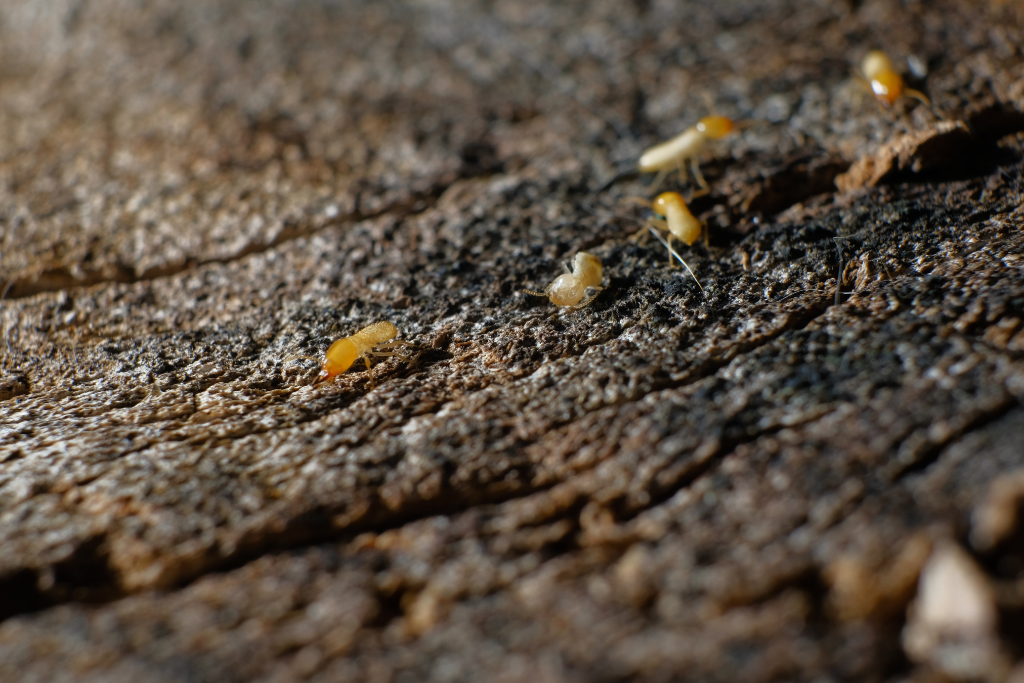
Why Southern California is Ideal for Drywood Termites
Southern California provides conditions that make it especially favorable for drywood termite activity. This is due to a combination of environmental factors, as well as common construction materials found within the region.
Warm Climate Supports Year-Round Termite Activity
One of the main reasons why drywood termites are common within the region is due to the warm climate.
Southern California stays warm most of the year. The perfect climate for us, but unfortunately also for them. Without harsh winters or excessively dry climate, there aren’t many conditions to slow or stop their activity.
Swarming Season Brings New Termite Problems
How do termite issues spread so easily?
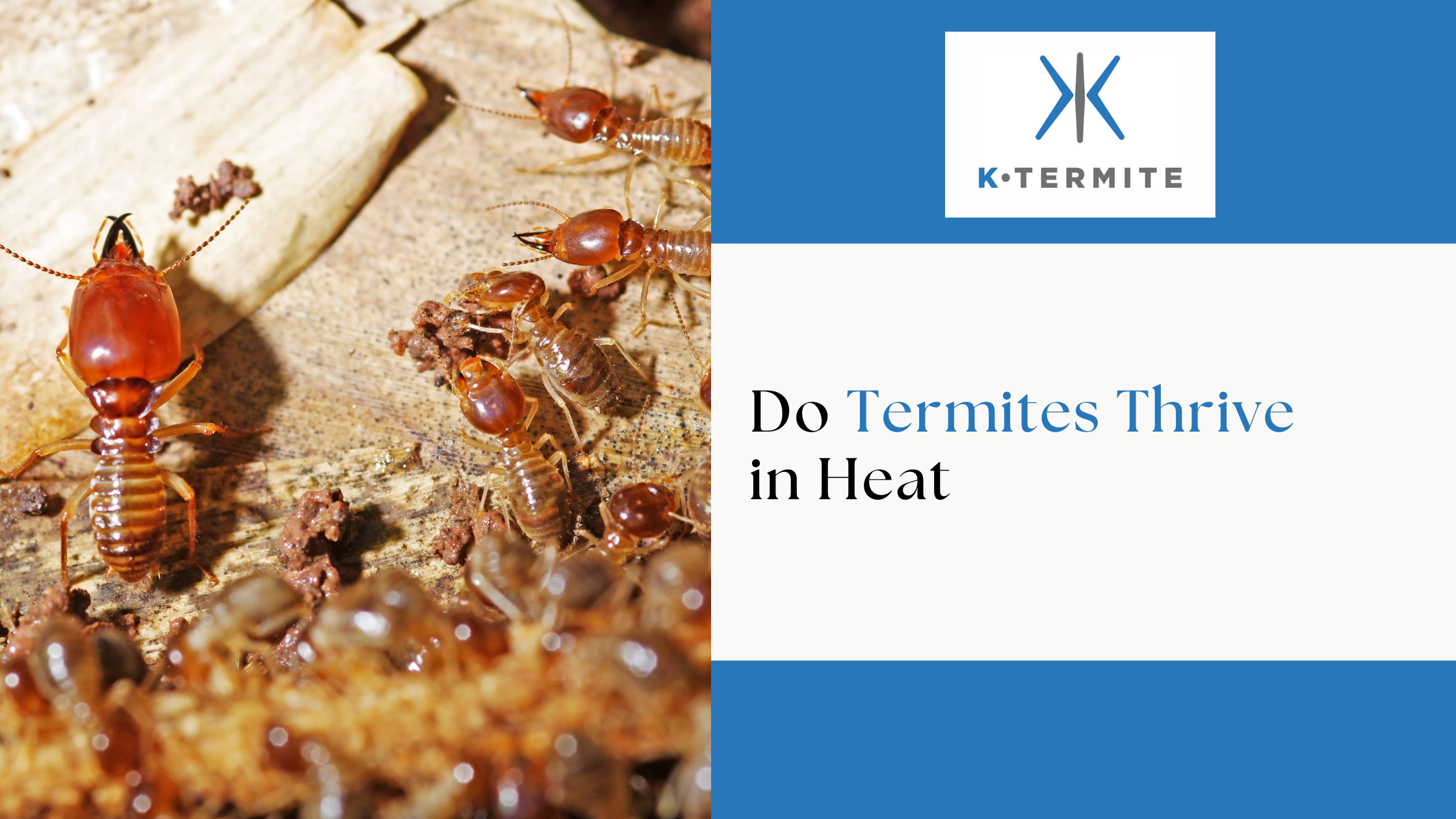
During early Spring or early Fall in Southern California, flying termites seek other areas to establish colonies. You might notice flying insects around light posts and porch lights and assume they’re flies or moths, but often they’re termites.
Once they land on your home, they drop their wings and try to burrow and start a new colony.
Even if your home has never had termites before, nearby colonies can quickly turn into a new problem.
Learn: What Are Termite Swarmers and How Do They Affect Your Property?
Drywood Termites Live Entirely Inside the Wood They Infest
Once drywood termites are established, they continue to expand from a single entry point. And don’t leave any physical signs. Once you see them, they’re there. They’ve been there. And have been causing damage the whole time.
That’s why termite control is a continuous maintenance situation.
Some common entry points include:
- Eaves and fascia boards
- Roof trim and shingles
- Attic vents
- Wooden roof edges
Although not as common, drywood termites can come in through your furniture.
Check out: Best Ways to Eliminate Drywood Termites from Your Home
Related Articles:
Subterranean Termites vs Drywood Termites: Which Is More Dangerous?
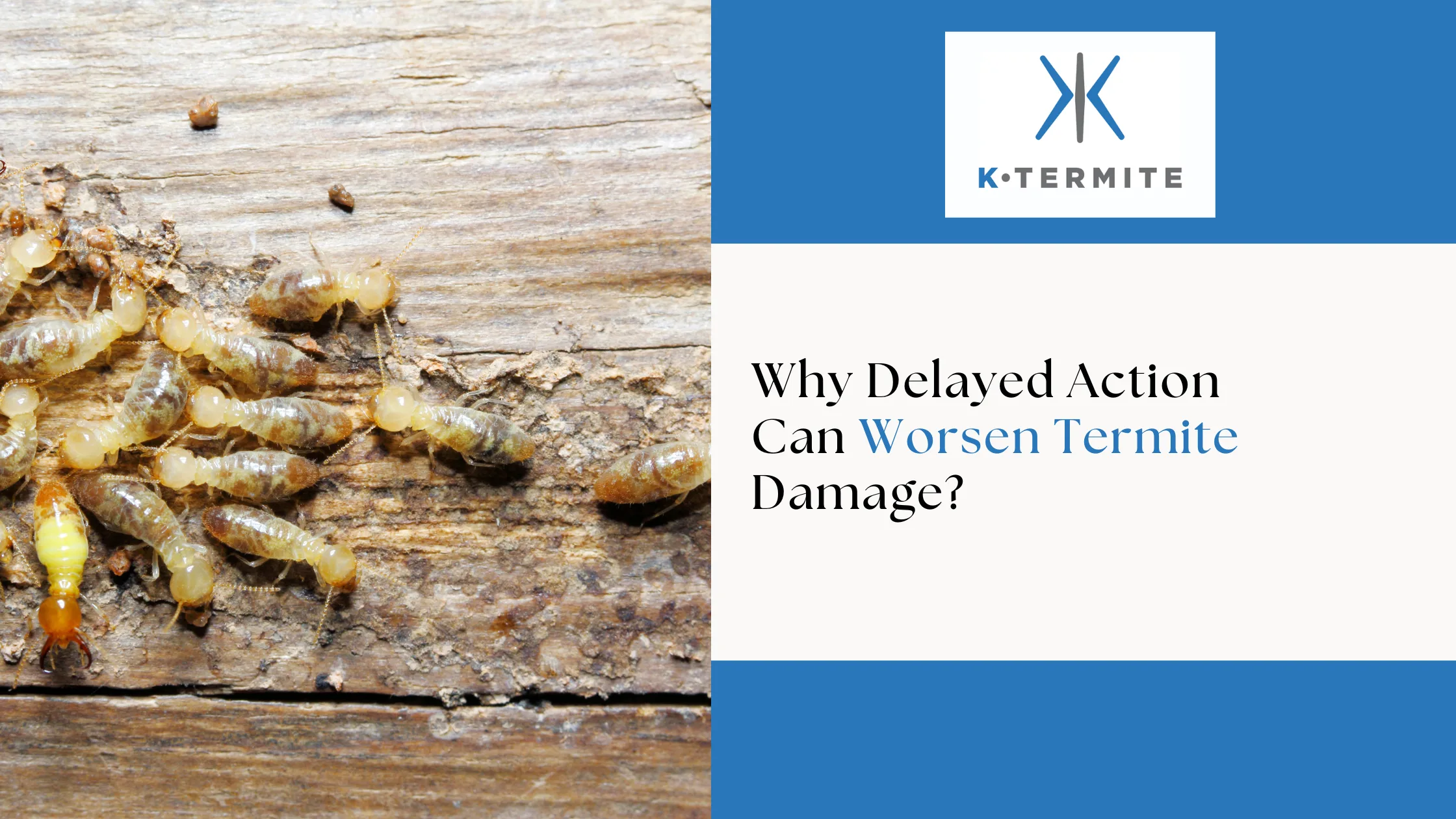
Why Delayed Action Can Worsen Termite Damage
Termite Prevention vs. Repair Costs: Which Saves You More Money?
Protecting Your Home with K Termite
If termites have already made their way into your home, take action before they can cause even more damage. Getting professional help early saves you from more expenses down the line.
At K Termite, we work closely with homeowners across Southern California to find termite problems early and treat them before they get out of control. Our approach is simple: clear inspections, honest advice, and tailored treatment based on what your home actually needs.
Our termite control services include the following:
- Free termite inspections
- Localized termite treatments
- Borate wood treatments
- Structural fumigation when needed
- Preventative termite protection solutions
Our goal is straightforward: protect your home safely, professionally, and quickly. We’re here to help you stay one step ahead.
If you think something isn’t right or just want to be sure, reach out to K Termite and schedule a free inspection.

.png)
.png)
.png)
.png)
.png)
.png)
.png)
.png)
.png)
.png)

.png)
.png)
.png)
.png)
.png)
.png)

.png)
.png)
.png)
.png)
.png)
.png)
.png)
.png)
.png)
.png)
.png)
.png)
.png)
.png)
.png)
.png)









.png)
.png)
.png)
.png)
.png)
.png)
.png)
.png)


.png)
.png)









.png)
.png)

.png)
.jpg)

.webp)
.webp)




.webp)


.svg)

